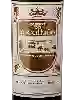
Winery AldiCuvée Beaupont
 Red wine


This wine generally goes well with beef and spicy food.

Food and wine pairings with Cuvée Beaupont
Pairings that work perfectly with Cuvée Beaupont


Original food and wine pairings with Cuvée Beaupont
The Cuvée Beaupont of Winery Aldi matches generally quite well with dishes of beef or spicy food such as recipes of beef tongue in hot sauce or chicken tagine with lemon confit (marrakech style).
Details and technical informations about Winery Aldi's Cuvée Beaupont.
Discover the grape variety: Caladoc
Deeply coloured, structured reds with a dense purple robe, smooth tannins and a round palate, with aromas of blackberry, blackcurrant, plum, garrigue, spice and balsamic notes. Good short-to-medium ageing. Vinified in blends and as single varietal in IGP Pays d'Oc and Méditerranée (Languedoc-Roussillon, Provence), also adopted in Morocco, Tunisia, Israel and Spain. A Grenache × Malbec cross created in 1958 by Paul Truel in Montpellier (INRA).
Last vintages of this wine
The best vintages of Cuvée Beaupont from Winery Aldi are 1985
Informations about the Winery Aldi
The Winery Aldi is one of wineries to follow in Vin de France.. It offers 333 wines for sale in the of Vin de France to come and discover on site or to buy online.

The wine region of Vin de France
The freest category of French wine, the playground of winemakers working outside the AOC. All styles combined: fruity reds, lively or ambitious whites, everyday rosés, unusual blends, natural wines, atypical grapes (Petit Manseng in Languedoc, Riesling in Provence), experimental winemaking (skin-contact whites, no sulphur). Grape and vintage labelling allowed, no geographic constraint. From the pop, convivial cuvée to the artisan gem: freedom in a bottle.
The word of the wine: Imperial
Bottle with a capacity of 6 liters (synonym of mathusalem).