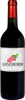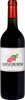
Bodegas AlcondeSelección Tinto Roble
 Red wine


In the mouth this red wine is a powerful.
This wine generally goes well with poultry, beef or veal.

Taste structure of the Selección Tinto Roble from the Bodegas Alconde
Light | Bold | |
Smooth | Tannic | |
Dry | Sweet | |
Soft | Acidic |
In the mouth the Selección Tinto Roble of Bodegas Alconde in the region of Navarre is a powerful.
Food and wine pairings with Selección Tinto Roble
Pairings that work perfectly with Selección Tinto Roble



Original food and wine pairings with Selección Tinto Roble

The Selección Tinto Roble of Bodegas Alconde matches generally quite well with dishes of beef, pasta or veal such as recipes of pasta bolognese, homemade italian lasagna or fillet of beef with morels.
Details and technical informations about Bodegas Alconde's Selección Tinto Roble.
Discover the grape variety: Merlot
Round and fleshy reds with a velvety texture, showing aromas of ripe plum, black cherry, cocoa and truffle notes with age. Supple tannins, generous alcohol, indulgent finish. Pillar of Libournais (Pomerol with Pétrus, Saint-Émilion with Cheval Blanc and Ausone) and signature of Super Tuscans, Italian Wales and Washington State. A cross of Cabernet Franc × Magdeleine Noire, France's most planted red variety.
Last vintages of this wine

The best vintages of Selección Tinto Roble from Bodegas Alconde are 2010, 2007, 2014, 0 and 2016.
Informations about the Bodegas Alconde
The Bodegas Alconde is one of of the world's greatest estates. It offers 86 wines for sale in the of Navarre to come and discover on site or to buy online.

The wine region of Navarre
Spanish reference for great Garnacha rosés: raspberry-pink colour, notes of crushed strawberry, cherry, citrus and white flowers, dry and gourmet palate. The emblematic grape (~70% of reds in the past), also in supple, sun-filled reds. Tempranillo on the rise in modern blends, fine spicy Graciano, Cabernet and Merlot. Fresh Chardonnay and Viura whites.
The word of the wine: Faded
Said of a wine that has lost its brilliance and depth. It can also be used to describe the nose of an old wine that has lost its aromatic freshness.