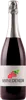
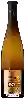
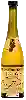
Winery Albert KleeLe K à Part,
 White wine
This wine generally goes well with

Details and technical informations about Winery Albert Klee's Le K à Part,.
Discover the grape variety: Floreal
Aromatic, lively dry whites with a pale golden robe, a taut palate with fresh acidity, and signature aromas of citrus (grapefruit), white flowers, passion fruit and exotic notes. Crisp profile. Early-ripening and productive. Listed in the official catalogue, representing the future of lower-input viticulture in France through its polygenic resistance to downy and powdery mildew. French white hybrid obtained in 2018 by INRA (Resdur1 series).
Informations about the Winery Albert Klee
The Winery Albert Klee is one of of the world's greatest estates. It offers 13 wines for sale in the of Alsace to come and discover on site or to buy online.

The wine region of Alsace
Capital of great French aromatic whites, most often dry and single-varietal. Straight, mineral Riesling (lemon, gunflint), opulent, exuberant Gewurztraminer (lychee, rose, spices), round, smoky Pinot Gris, floral, crisp Muscat, supple Pinot Blanc. Fine, fruity Crémants d'Alsace, exceptional sweet Vendanges Tardives and Sélection de Grains Nobles. 15,500 ha at the foot of the Vosges on varied soils, 51 Grands Crus since 1975.
The word of the wine: Solera
A method of maturing practiced in Andalusia for certain sherries, which aims to continuously blend older and younger wines. It consists of stacking several layers of barrels; those located at ground level (solera) contain the oldest wines, the youngest being stored in the barrels on the upper level. The wine to be bottled is taken from the barrels on the lower level, which is replaced by younger wine from the upper level, and so on.