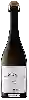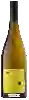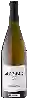
Winery AT RocaAnima Mundi Pells Skin Contact Macabeu
 White wine


This wine generally goes well with

Details and technical informations about Winery AT Roca's Anima Mundi Pells Skin Contact Macabeu.
Discover the grape variety: Garnacha Blanca
Rich, aromatic dry whites with a pale golden colour, an ample palate and moderate acidity, showing signature aromas of ripe yellow fruits (peach, apricot, pear), white flowers (orange blossom), candied citrus, fennel and mineral notes. Fine ageing potential in barrel and cellaring ability. A qualitative star of Terra Alta DO, Priorat DOQ and Empordà DO, also the Roussillon. Spanish synonym of Grenache Blanc, a white-skinned mutation of Grenache.
Last vintages of this wine

The best vintages of Anima Mundi Pells Skin Contact Macabeu from Winery AT Roca are 2018, 2017
Informations about the Winery AT Roca
The Winery AT Roca is one of of the world's great estates. It offers 22 wines for sale in the of Penedès to come and discover on site or to buy online.

The wine region of Penedès
Historic cradle of Cava (95% of Spanish output, centred on Sant Sadurní d'Anoia): traditional-method sparklers, convivial and brioche-like. Indigenous trilogy: signature Xarel-lo (body, herbaceous and almondy notes), Macabeo (apple, freshness), Parellada (floral elegance). Still wines ~80% white from the same grapes, straight and accessible. Also sunny Garnacha, Cabernet and Pinot Noir.
The wine region of Catalogne
Cradle of Cava (~95% of Spanish output, traditional method): Macabeo, Xarel-lo, Parellada trilogy, fine fruity bubble. Quality peak in Priorat DOCa: dense, mineral reds on llicorella (schist), old-vine Garnacha and Cariñena with black fruit, garrigue notes, firm tannins. Also Penedès, fleshy Montsant, sunny Empordà, Costers del Segre. Mediterranean.
The word of the wine: Phylloxera
Aphid that came from America and ravaged European vineyards at the end of the 19th century. It lives on the roots of the vine, from which it pumps the sap. The only vines capable of resisting it had to be imported from the United States, and then grafted onto their root system the wood of traditional French grape varieties. Today, grafted vines are always planted.