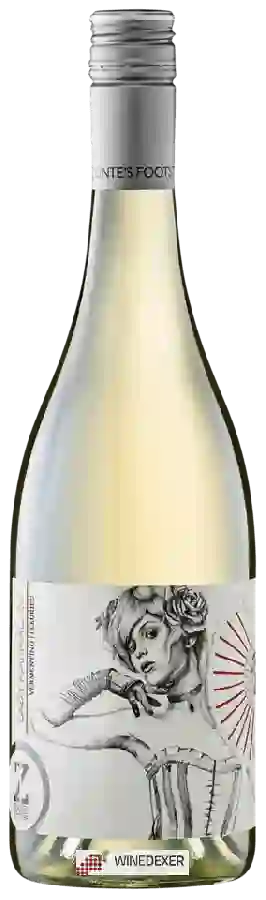
Winery Zonte's FootstepLady Marmalade Vermentino
 White wine


This wine generally goes well with

Wine flavors and olphactive analysis

On the nose the Lady Marmalade Vermentino of Winery Zonte's Footstep in the region of Australie du Sud often reveals types of flavors of earth, tree fruit or citrus fruit.
Details and technical informations about Winery Zonte's Footstep's Lady Marmalade Vermentino.
Discover the grape variety: Vermentino
Nervy, saline whites with cutting acidity and enveloping richness, showing aromas of grapefruit, lime, pear, white flowers, fresh almond, fennel and marine iodine notes. Slightly bitter finish. Star of Sardinia (Vermentino di Gallura DOCG), Liguria, coastal Tuscany (Bolgheri) and Corsica. Also in Provence and Languedoc-Roussillon as Rolle. An autochthonous Mediterranean variety.
Last vintages of this wine

The best vintages of Lady Marmalade Vermentino from Winery Zonte's Footstep are 2018, 0, 2019
Informations about the Winery Zonte's Footstep
The Winery Zonte's Footstep is one of of the world's great estates. It offers 34 wines for sale in the of Fleurieu to come and discover on site or to buy online.

The wine region of Fleurieu
Wine peninsula south of Adelaide, kingdom of sunny Shiraz. McLaren Vale as star: powerful, velvety reds with signature notes of blackberry, black plum, chocolate, sweet spices, eucalyptus and a black-olive touch, round tannins and a generous palate — centenarian old vines. Firm Cabernet (blackcurrant, mint), perfumed old-vine Grenache (cherry, garrigue). Ample Chardonnay as white.
The wine region of Australie du Sud
Cradle of the great Australian Shiraz: powerful, sun-drenched reds with notes of blackberry, candied plum, pepper, chocolate and eucalyptus, ample tannins and vibrant fruit (Barossa, McLaren Vale). Firm, minty Cabernet Sauvignon on Coonawarra (terra rossa). Dry, lemony Riesling from Clare and Eden Valley, straight and taut. Fresh Sauvignon and Chardonnay from Adelaide Hills.
The word of the wine: Discharge
Action consisting of removing suspended particles (sludge) from the must.