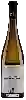
Thüringer Weingut ZahnGrüner Silvaner
 White wine



In the mouth this white wine is a with a nice freshness.
This wine generally goes well with pork, vegetarian or poultry.

Taste structure of the Grüner Silvaner from the Thüringer Weingut Zahn
Light | Bold | |
Dry | Sweet | |
Soft | Acidic |
In the mouth the Grüner Silvaner of Thüringer Weingut Zahn in the region of Saale-Unstrut is a with a nice freshness.
Food and wine pairings with Grüner Silvaner
Pairings that work perfectly with Grüner Silvaner



Original food and wine pairings with Grüner Silvaner


The Grüner Silvaner of Thüringer Weingut Zahn matches generally quite well with dishes of veal, pork or vegetarian such as recipes of veal fillet stroganoff, gratin of fresh chard (green and ribs) or magic cake cheese quiche.
Details and technical informations about Thüringer Weingut Zahn's Grüner Silvaner.
Discover the grape variety: Regner
Aromatic, fruity whites best drunk young, with a pale golden robe, an ample palate with moderate acidity, and signature muscat aromas, exotic fruits (lychee), white flowers, and intense floral notes. Also produced as off-dry and sweet styles. Grown in Germany, England, and Luxembourg. A German white variety obtained in 1929 at Alzey by Georg Scheu (Luglienca bianca × Gamay).
Last vintages of this wine
The best vintages of Grüner Silvaner from Thüringer Weingut Zahn are 0
Informations about the Thüringer Weingut Zahn
The Thüringer Weingut Zahn is one of of the world's great estates. It offers 34 wines for sale in the of Saale-Unstrut to come and discover on site or to buy online.

The wine region of Saale-Unstrut
Germany's northernmost region (Saxony-Anhalt), ~650 ha. Nordic whites that are dry, lively and mineral with signature notes of green apple, citrus, white flowers, fresh herbs and a crisp finish — a direct, thirst-quenching style. Dominant Muller-Thurgau (~22%) light and floral, Weissburgunder (Pinot Blanc) round and precise, herbaceous Silvaner and taut Riesling. Early grapes suited to the harsh continental climate.
The word of the wine: Green harvest or green harvesting
The practice of removing excess bunches of grapes from certain vines, usually in July, but sometimes later. This is often necessary, but not always a good thing, as the remaining grapes tend to gain weight.