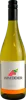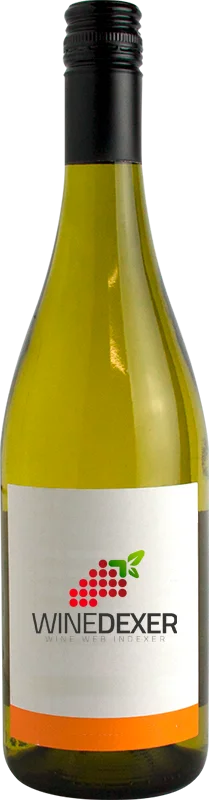
Winery Yannick de VermontFleurie
 White wine
This wine generally goes well with
Details and technical informations about Winery Yannick de Vermont's Fleurie.
Discover the grape variety: Siegerrebe
An intraspecific cross between the Madeleine angevine and the Gewurztraminer obtained in 1929 by Georg Scheu at the Alzey testing station (Germany). Almost unknown in France, it can be found in Germany, Denmark, the Netherlands, Belgium, Sweden, Switzerland, England, the United States, Canada, etc.
Informations about the Winery Yannick de Vermont
The Winery Yannick de Vermont is one of of the world's greatest estates. It offers 10 wines for sale in the of Fleurie to come and discover on site or to buy online.

The wine region of Fleurie
Fleurie is a Cru Beaujolais appellation well known for its red wines made from the Gamay Grape. These wines are among the most renowned in the region, which is sometimes called "The Queen of Beaujolais". A Fleurie is typically light, Silky and supple, with a characteristic Floral">florality and Bright aromas of blueberries and red fruits. Fleurie's recognition is often attributed to its evocative name.
The wine region of Beaujolais
Beaujolais is an important wine region in eastern France, famous for its vibrant, Fruity red wines made from Gamay. It is located immediately South of Burgundy, of which it is sometimes considered a Part, although it is in the administrative region of Rhône. The extensive plantings of Gamay in this region make Beaujolais one of the few regions in the world that is so concentrated on a single Grape variety. Pinot Noir is used in small quantities in red and rosé wines, but in the name of regional identity, it is being phased out and will only be allowed until the 2015 harvest.
The word of the wine: Flavor
Sensation (sweet, salty, sour or bitter) produced on the tongue by a food.