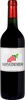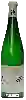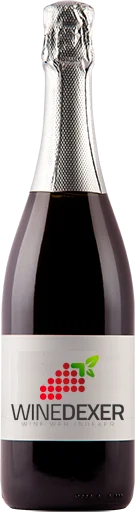
Winery Winzerverein MeersburgMeer-Secco Weiss
 Sparkling wine


This wine generally goes well with
Details and technical informations about Winery Winzerverein Meersburg's Meer-Secco Weiss.
Discover the grape variety: Grillo
A very ancient grape variety still grown today in western Sicily. Very often associated with catarratto and inzolia, it produces the famous Marsala liqueur wine. It is also increasingly being vinified as a single variety and produces excellent dry wines full of freshness and fruitiness. Grillo is believed to be the result of an intra-fertile cross between catarratto and Muscat of Alexandria or zibibbo, obtained in 1869 by Antonino Mendola. It is represented by two biotypes that can be easily recognized, but it seems that winegrowers attach little importance to them. Little known in other Italian regions - in Liguria it is known as "rossese bianco" - it can also be found in Australia and South Africa. It is not widely grown in France, although it is interesting because of its ability to withstand hot climates and drought, and to ripen quite late.
Last vintages of this wine
The best vintages of Meer-Secco Weiss from Winery Winzerverein Meersburg are 0
Informations about the Winery Winzerverein Meersburg
The Winery Winzerverein Meersburg is one of of the world's great estates. It offers 62 wines for sale in the of Mosel to come and discover on site or to buy online.

The wine region of Mosel
Mosel is the most famous of Germany's 13 official wine regions, and also the third largest in terms of production. As with many German regions, it is most aasociated with a range of wine styles made from the Riesling grape variety, but Müller-Thurgau is also widely planted. The best Mosel Riesling wines are some of the finest whites in the world. Light and low in Alcohol, they can be intensely fragrant with beguiling Floral">floral and Mineral notes, and a wonderful Balance of sweetness and Acidity.
The word of the wine: Yellow wine
White wines from the Jura region aged in oak barrels without topping up for at least 6 years. A veil of yeast forms on the surface of the wine, which undergoes slow oxidation, giving it a particular taste reminiscent of nuts.