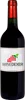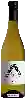
Winery Cascina MontagnolaRisveglio
 White wine


In the mouth this white wine is a powerful.
This wine generally goes well with lean fish, shellfish or mature and hard cheese.
Taste structure of the Risveglio from the Winery Cascina Montagnola
Light | Bold | |
Dry | Sweet | |
Soft | Acidic |
In the mouth the Risveglio of Winery Cascina Montagnola in the region of Piedmont is a powerful.
Food and wine pairings with Risveglio
Pairings that work perfectly with Risveglio



Original food and wine pairings with Risveglio


The Risveglio of Winery Cascina Montagnola matches generally quite well with dishes of pasta, shellfish or mature and hard cheese such as recipes of chinese noodles with shrimp, festive sea pot or savoyard fondue.
Details and technical informations about Winery Cascina Montagnola's Risveglio.
Discover the grape variety: Chardonnay
Whites with many faces: mineral and taut at Chablis (lemon, green apple, flint), opulent and buttery at Meursault and Puligny-Montrachet (hazelnut, brioche, yellow fruits), tense and chalky in Champagne (Blanc de Blancs). Also vinified sparkling and widely exported (Sonoma, Margaret River, Casablanca). A Burgundian variety, a cross of Pinot Noir × Gouais Blanc, half-sibling of Aligoté.
Last vintages of this wine
The best vintages of Risveglio from Winery Cascina Montagnola are 0
Informations about the Winery Cascina Montagnola
The Winery Cascina Montagnola is one of of the world's greatest estates. It offers 14 wines for sale in the of Colli Tortonesi to come and discover on site or to buy online.

The wine region of Colli Tortonesi
Southeastern Piedmont DOC around Tortona, marl-limestone soils. Signature Timorasso as white king (native saved by Walter Massa in the 1980s): structured and mineral with yellow peach, apricot, candied citrus, honey, herbs, almond and a petrol touch at maturity, taut palate and long ageing — nicknamed "Barolo bianco". Historic Barbera in red: juicy and fresh (cherry, plum, spices). Also supple Dolcetto, spicy Freisa, fleshy Croatina.
The wine region of Piedmont
Kingdom of Nebbiolo: Barolo and Barbaresco DOCG, long-ageing reds with firm tannins and lively acidity, complex aromas of withered rose, sour cherry, tar, truffle and undergrowth. More accessible, tangy Barbera on red fruit, supple, crisp Dolcetto. Sweet, floral sparkling Moscato d'Asti, mineral, lemony Gavi (Cortese) white, round, almondy Arneis from Roero. 50,000 ha across the Langhe, Roero and Monferrato, UNESCO.
The word of the wine: Organoleptic
Elements, such as flavours and tactile sensations, that can stimulate a sensory receptor.