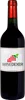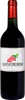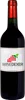
Wijndomein HoenshofCuvée Hoenshof
 Red wine



This wine is a blend of 3 varietals which are the Cabernet-Cortis, the Dornfelder and the Merlot.
This wine generally goes well with
The Cuvée Hoenshof of the Wijndomein Hoenshof is in the top 30 of wines of Haspengouwse Wijn.
Details and technical informations about Wijndomein Hoenshof's Cuvée Hoenshof.
Discover the grape variety: Cabernet-Cortis
Interspecific cross between Cabernet Sauvignon and Solaris (Merzling x Geisenheim 6493 (Zarya Severa x Muscat Ottonel)) made in 1982 by Norbert Becker of the Freiburg Research Institute in Germany. It has the particularity of having only one gene for resistance to mildew and powdery mildew. It can be found in the Netherlands, Denmark, Belgium, Switzerland, etc., but is still little known in France. Note that Cabernet-Carol has the same parents.
Last vintages of this wine
The best vintages of Cuvée Hoenshof from Wijndomein Hoenshof are 0
Informations about the Wijndomein Hoenshof
The Wijndomein Hoenshof is one of of the world's greatest estates. It offers 30 wines for sale in the of Haspengouwse Wijn to come and discover on site or to buy online.

The wine region of Haspengouwse Wijn
The wine region of Haspengouwse Wijn is located in the region of Flandre of Belgium. Wineries and vineyards like the Domaine Wijnkasteel Genoels Elderen or the Domaine Wijnkasteel Genoels Elderen produce mainly wines white, sparkling and red. The most planted grape varieties in the region of Haspengouwse Wijn are Chardonnay, Pinot noir and Pinot gris, they are then used in wines in blends or as a single variety. On the nose of Haspengouwse Wijn often reveals types of flavors of cream, straw or red fruit and sometimes also flavors of tropical fruit, floral or citrus fruit.
The wine region of Flandre
The wine region of Flandre of Belgium. Wineries and vineyards like the Domaine Meerdael or the Domaine Clos d'Opleeuw produce mainly wines white, red and sparkling. The most planted grape varieties in the region of Flandre are Chardonnay, Pinot noir and Johanniter, they are then used in wines in blends or as a single variety. On the nose of Flandre often reveals types of flavors of cream, non oak or red fruit and sometimes also flavors of floral, tropical fruit or citrus fruit.
The word of the wine: Sweet
Wine with a slightly sickening sweetness.