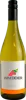
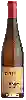
Winery WeinmannWeissburgunder Trocken
 White wine
In the mouth this white wine is a with a nice freshness.
This wine generally goes well with rich fish (salmon, tuna etc), shellfish or mild and soft cheese.

Taste structure of the Weissburgunder Trocken from the Winery Weinmann
Light | Bold | |
Dry | Sweet | |
Soft | Acidic |
In the mouth the Weissburgunder Trocken of Winery Weinmann in the region of Rheinhessen is a with a nice freshness.
Food and wine pairings with Weissburgunder Trocken
Pairings that work perfectly with Weissburgunder Trocken



Original food and wine pairings with Weissburgunder Trocken

The Weissburgunder Trocken of Winery Weinmann matches generally quite well with dishes of rich fish (salmon, tuna etc), shellfish or mild and soft cheese such as recipes of codfish portuguese style, phad thai (thai style fried noodles) or hamburger deluxe.
Details and technical informations about Winery Weinmann's Weissburgunder Trocken.
Discover the grape variety: Cabernet-Volos
Deeply coloured, structured reds with a deep purple robe, firm tannins, an ample palate and preserved acidity; signature aromas of dark fruits (blackcurrant, blackberry), spices and herbal notes reminiscent of cabernet. Resistant to downy and powdery mildew. Grown in Switzerland, Germany and Belgium for modern organic vineyards in continental climates. Swiss black hybrid bred by Valentin Blattner in Soyhières (cabernet sauvignon × resistant).
Informations about the Winery Weinmann
The Winery Weinmann is one of of the world's greatest estates. It offers 25 wines for sale in the of Rheinhessen to come and discover on site or to buy online.

The wine region of Rheinhessen
71% white region: Riesling is king (5,000 ha), dry to off-dry, ripe yellow fruit, apple, citrus and fine saline minerality. Supple, floral Müller-Thurgau for everyday, the world's largest Silvaner plantation with herbaceous, straight notes. Historic cradle of off-sweet Liebfraumilch. Some supple reds (Dornfelder, Spätburgunder).
The word of the wine: Pruine
A thin, fluffy film that covers the surface of the grape. It makes the berry impermeable and contains the indigenous yeasts necessary for the fermentation of the must.