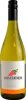
Weingut ZehnthofFrederic Kruger Grauer Burgunder Alte Reben
 White wine



In the mouth this white wine is a .
This wine generally goes well with pork, cured meat or mushrooms.

Taste structure of the Frederic Kruger Grauer Burgunder Alte Reben from the Weingut Zehnthof
Light | Bold | |
Dry | Sweet | |
Soft | Acidic |
In the mouth the Frederic Kruger Grauer Burgunder Alte Reben of Weingut Zehnthof in the region of Nahe is a .
Food and wine pairings with Frederic Kruger Grauer Burgunder Alte Reben
Pairings that work perfectly with Frederic Kruger Grauer Burgunder Alte Reben



Original food and wine pairings with Frederic Kruger Grauer Burgunder Alte Reben

The Frederic Kruger Grauer Burgunder Alte Reben of Weingut Zehnthof matches generally quite well with dishes of pork, spicy food or mushrooms such as recipes of barbecued filet mignon, navarin of lamb or capon with straw wine.
Details and technical informations about Weingut Zehnthof's Frederic Kruger Grauer Burgunder Alte Reben.
Discover the grape variety: Godello
Structured, aromatic dry whites with a pale golden color, ample palate and preserved acidity, offering refined aromas of yellow fruits (pear, peach, quince), citrus (lemon), white flowers (acacia) and schist mineral notes. Fine barrel-ageing and cellaring potential. Star of great Galician whites: Valdeorras DO, Monterrei DO and Ribeira Sacra DO. Saved from near-extinction in the 1970s, an indigenous Galician variety from north-west Spain.
Last vintages of this wine
The best vintages of Frederic Kruger Grauer Burgunder Alte Reben from Weingut Zehnthof are 0
Informations about the Weingut Zehnthof
The Weingut Zehnthof is one of of the world's greatest estates. It offers 17 wines for sale in the of Nahe to come and discover on site or to buy online.

The wine region of Nahe
Homeland of a mineral Riesling of exceptional geological expression: lively, precise whites with notes of peach, citrus, green apple, gunflint and fine salinity, from taut dry to botrytised sweet. 75% whites, Riesling king (27%) complemented by round Pinot Gris and supple Pinot Blanc. Rising reds: silky Spätburgunder with red fruit, darker Dornfelder. 4,240 ha along the Nahe river, among the most diverse soils in Germany (180 formations).
The word of the wine: Left bank
In Bordeaux, refers to the vineyards located on the left bank of the Gironde, where the dominant grape variety is Cabernet Sauvignon. These are the Medoc, Haut-Médoc, Pessac-Leognan, Graves, etc. appellations.