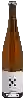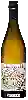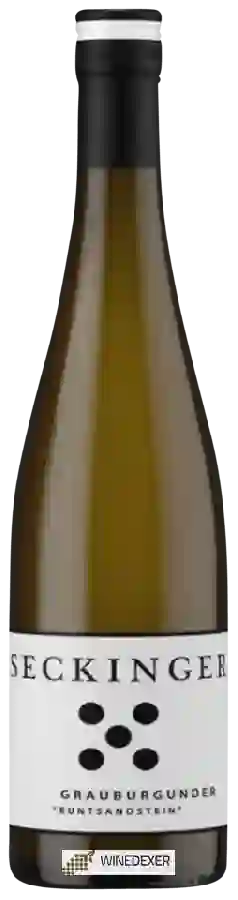
Weingut SeckingerBuntsandstein Grauburgunder
 White wine



In the mouth this white wine is a powerful with a nice freshness.
This wine generally goes well with pork, cured meat or mushrooms.

Taste structure of the Buntsandstein Grauburgunder from the Weingut Seckinger
Light | Bold | |
Dry | Sweet | |
Soft | Acidic |
In the mouth the Buntsandstein Grauburgunder of Weingut Seckinger in the region of Pfalz is a powerful with a nice freshness.
Food and wine pairings with Buntsandstein Grauburgunder
Pairings that work perfectly with Buntsandstein Grauburgunder


Original food and wine pairings with Buntsandstein Grauburgunder

The Buntsandstein Grauburgunder of Weingut Seckinger matches generally quite well with dishes of pork, spicy food or mushrooms such as recipes of pork cheeks confit in cider, chicken on a bed of summer vegetables or blanquette of fish.
Details and technical informations about Weingut Seckinger's Buntsandstein Grauburgunder.
Discover the grape variety: Négret castrais
Supple, fruity reds with a sustained ruby robe, soft tannins, an airy palate and fresh acidity; aromas of red fruits (raspberry, cherry) and gentle spices. Accessible southern profile. Preserved for its heritage value, surviving in a few heritage plots in the Tarn, among the ancient South-West varieties studied for their ampelographic interest. Indigenous French black grape from the South-West, mainly cultivated in the Tarn.
Last vintages of this wine
The best vintages of Buntsandstein Grauburgunder from Weingut Seckinger are 2017, 0, 2018
Informations about the Weingut Seckinger
The Weingut Seckinger is one of of the world's great estates. It offers 53 wines for sale in the of Pfalz to come and discover on site or to buy online.

The wine region of Pfalz
Fleshy, dry, fruity Riesling is the region's signature: yellow peach, apricot, ripe citrus, lovely mineral tension. Germany's largest red-wine area (40%), with silky Spätburgunder showing red fruit and spice, darker structured Dornfelder, supple Portugieser. Some rounded Pinot Blanc and Pinot Gris. A 23,640 ha vineyard along the Haardt, among Germany's warmest (>2,000 h of sun).
The word of the wine: Pruine
A thin, fluffy film that covers the surface of the grape. It makes the berry impermeable and contains the indigenous yeasts necessary for the fermentation of the must.