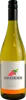
Weingut PetrushofRiesling Hochgewächs Feinherb Bernkasteler Badstube
 wine
wine
This wine generally goes well with
The Riesling Hochgewächs Feinherb Bernkasteler Badstube of the Weingut Petrushof is in the top 0 of wines of Bernkastel.
Details and technical informations about Weingut Petrushof's Riesling Hochgewächs Feinherb Bernkasteler Badstube.
Discover the grape variety: Grand noir de la C
A cross between petit Bouschet and aramon obtained by Henri Bouschet in 1855. It should be noted that this grape variety is very similar to the piquepoul-bouschet (a cross between the piquepoul gris and the petit Bouschet) with which it should not be confused. Grand Noir de la Calmette is in the process of disappearing, and is still found only in the form of isolated strains in old vines in the south and southwest of France. - Synonymy: gros noir, sousao do Oeste, sumo tinto (all the synonyms of the grape varieties, click here!)
Informations about the Weingut Petrushof
The Weingut Petrushof is one of of the world's greatest estates. It offers 6 wines for sale in the of Bernkastel to come and discover on site or to buy online.

The wine region of Bernkastel
The wine region of Bernkastel is located in the region of Mosel of Germany. Wineries and vineyards like the Domaine Joh. Jos. Prüm or the Domaine Joh.
The wine region of Mosel
Mosel is the most famous of Germany's 13 official wine regions, and also the third largest in terms of production. As with many German regions, it is most aasociated with a range of wine styles made from the Riesling grape variety, but Müller-Thurgau is also widely planted. The best Mosel Riesling wines are some of the finest whites in the world. Light and low in Alcohol, they can be intensely fragrant with beguiling Floral">floral and Mineral notes, and a wonderful Balance of sweetness and Acidity.
The word of the wine: Draft liquor (champagne)
After blending, the wine is bottled with a liqueur de tirage (a mixture of sugar and wine) and a yeast (selected yeasts). The yeast attacks the sugar and creates carbon dioxide. The fermentation, which lasts about two months, is prolonged by an ageing period (15 months minimum in total). The bottle is capped (some rare vintages are capped with a staple and a cork).