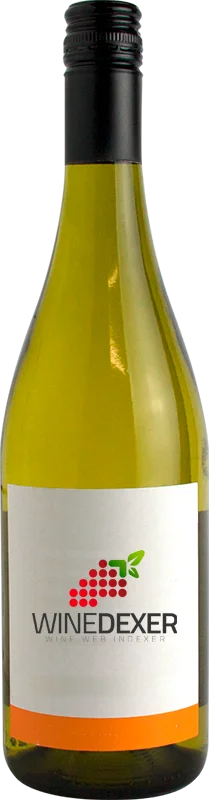
Weingut PatkeSauvignon Blanc
 White wine
In the mouth this white wine is a with a nice freshness.
This wine generally goes well with vegetarian, shellfish or goat cheese.
Taste structure of the Sauvignon Blanc from the Weingut Patke
Light | Bold | |
Dry | Sweet | |
Soft | Acidic |
In the mouth the Sauvignon Blanc of Weingut Patke in the region of Mosel is a with a nice freshness.
Food and wine pairings with Sauvignon Blanc
Pairings that work perfectly with Sauvignon Blanc



Original food and wine pairings with Sauvignon Blanc
The Sauvignon Blanc of Weingut Patke matches generally quite well with dishes of shellfish, vegetarian or goat cheese such as recipes of fish and shrimp wok with curry, zucchini and goat cheese quiche or bruschette (large toasted bread).
Details and technical informations about Weingut Patke's Sauvignon Blanc.
Discover the grape variety: Picolit blanc
A very old grape variety, probably already known to the Romans, and most certainly of Italian origin, from Friuli to be precise. The Hungarian Keknyelu is said to be the same variety, but this remains to be confirmed. It is almost unknown in France and even in the wine world, perhaps because of its low production and its sensitivity to various diseases. It should be noted that it is not related to the black picolit.
Informations about the Weingut Patke
The Weingut Patke is one of of the world's greatest estates. It offers 18 wines for sale in the of Mosel to come and discover on site or to buy online.

The wine region of Mosel
Mosel is the most famous of Germany's 13 official wine regions, and also the third largest in terms of production. As with many German regions, it is most aasociated with a range of wine styles made from the Riesling grape variety, but Müller-Thurgau is also widely planted. The best Mosel Riesling wines are some of the finest whites in the world. Light and low in Alcohol, they can be intensely fragrant with beguiling Floral">floral and Mineral notes, and a wonderful Balance of sweetness and Acidity.
The word of the wine: Sweet
Generic term for wines containing residual sugar (natural sugars in the grapes that have not been transformed into alcohol). It is also used to describe a wine with a dominantly sweet flavour, without further explanation.