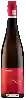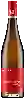
Weingut KochDielheimer Teufelskopf Auxerrois Kabinett Trocken
 wine
wine
This wine generally goes well with
The Dielheimer Teufelskopf Auxerrois Kabinett Trocken of the Weingut Koch is in the top 0 of wines of Baden.
Details and technical informations about Weingut Koch's Dielheimer Teufelskopf Auxerrois Kabinett Trocken.
Discover the grape variety: Tourbat
The Tourbat grape variety is found particularly in Sardinia. It is probably of Catalan origin and is grown on an area of 25 hectares. It is also known by other names such as torbato, caninu or malvoise du Roussillon, and develops perfectly in hot, dry soil. It is noticeable for its drooping habit. Its lobed leaves have short teeth. The bunches, sometimes winged, are of medium size. They can weigh up to 347 gr. The berries, a little ellipsoid, are rather of a medium size. The flesh is juicy and covered with a rather thick skin, which takes on an amber-pink colour when they are ripe. A wine of medium acidity and high quality comes from this variety. When young, the wine gives off an aroma of ripe apples and when aged, it gives off a scent of honey and cooked fruits.
Informations about the Weingut Koch
The Weingut Koch is one of of the world's greatest estates. It offers 17 wines for sale in the of Baden to come and discover on site or to buy online.

The wine region of Baden
Baden is the southernmost of Germany's 13 official wine regions. It is also the warmest. Its relatively sunny, DryClimate permits the production of good-quality Spätburgunder (Pinot Noir) and ripe, relatively Full-bodied">Full-bodied examples of Grauburgunder (Pinot Gris) and Weissburgunder (Pinot Blanc). These are often made in oaked styles.
The word of the wine: Performance
Quantity of grapes harvested per hectare. In AOC, the average yield is limited on the proposal of the appellation syndicate, validated by the Inao. The use of high-performance plant material (especially clones) and better control of vine diseases have increased yields. This is not without consequences on the quality of the wines (dilution) and on the state of the market (too much wine). We must not over-simplify: low yields are not synonymous with quality, and it is often in years with generous harvests that we find the greatest vintages (1982 and 1986 in Bordeaux, 1996 in Champagne, 1990 and 2005 in Burgundy...).