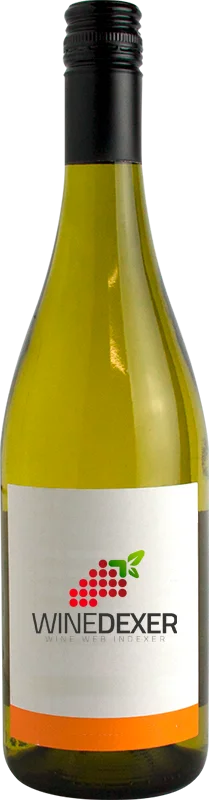
Weingut HasenhaldeRäuschling
 White wine



This wine generally goes well with

Details and technical informations about Weingut Hasenhalde's Räuschling.
Discover the grape variety: Listan Negro
Light, fruity reds with a clear ruby colour, silky tannins and supple palate, showing signature aromas of red fruits (cherry, raspberry, strawberry), Mediterranean herbs, gentle spices and smoky volcanic notes. Airy island profile, best drunk young or with short ageing. Star of the Tacoronte-Acentejo DO and Ycoden-Daute-Isora DO appellations, defining the red wines of the Canary Islands. Native black variety of the Spanish Canary Islands (Tenerife, La Palma).
Last vintages of this wine
The best vintages of Räuschling from Weingut Hasenhalde are 0, 2018
Informations about the Weingut Hasenhalde
The Weingut Hasenhalde is one of of the world's greatest estates. It offers 29 wines for sale in the of Zurichsee to come and discover on site or to buy online.

The wine region of Zurichsee
Wine region of German-speaking Switzerland around Lake Zurich, south-facing slopes on moraines, molasse and schists. Signature Pinot Noir (Blauburgunder) as king red: fine and silky with red cherry, raspberry, underbrush, dried flowers and spices, fine tannins and elegant palate — among the best in German Switzerland. Räuschling native local specialty (lake vine): lively mineral white. Supple Müller-Thurgau, ample Chardonnay, aromatic Gewürztraminer.
The wine region of Zürich
Largest German-speaking wine canton of Switzerland, 620 ha around the lake. Star Pinot Noir (Blauburgunder): fine, fresh reds with notes of cherry, raspberry, undergrowth and sweet spices, silky tannins and a delicate style. Also light, floral Müller-Thurgau and precise Chardonnay. A unique speciality: Räuschling, a rare native white almost exclusive to the canton ("vine of the lake"), lively with citrus, white flowers and taut minerality.
The word of the wine: Second fermentation
In the making of champagne, fermentation of the base wine to which is added the liqueur de tirage and which takes place in the bottle. This second fermentation produces the carbon dioxide, and therefore the bubbles that make up the effervescence of the wine.