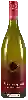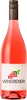
Winery SchätzleSpätburgunder Weissherbst Trocken
 Pink wine


This wine generally goes well with vegetarian

Food and wine pairings with Spätburgunder Weissherbst Trocken
Pairings that work perfectly with Spätburgunder Weissherbst Trocken

Original food and wine pairings with Spätburgunder Weissherbst Trocken
The Spätburgunder Weissherbst Trocken of Winery Schätzle matches generally quite well with dishes of vegetarian such as recipes of quiche without pastry.
Details and technical informations about Winery Schätzle's Spätburgunder Weissherbst Trocken.
Discover the grape variety: Touriga franca
Aromatic and refined reds with an elegant structure, featuring raspberry, blackberry, rose, lavender, cistus and gentle spice aromas. Soft tannins and silky balance that smooths blends. Essential partner to Touriga Nacional in great Port wines (Vintage, LBV, Tawny) and modern dry Douro DOC. Native Portuguese variety, the most planted in the Douro, related to Touriga Nacional.
Last vintages of this wine
The best vintages of Spätburgunder Weissherbst Trocken from Winery Schätzle are 0
Informations about the Winery Schätzle
The Winery Schätzle is one of of the world's greatest estates. It offers 48 wines for sale in the of Baden to come and discover on site or to buy online.

The wine region of Baden
German capital of Pinot Noir (Spätburgunder): silky, fine reds with notes of red fruits, cherry, undergrowth and sweet spices, melted tannins. Round Grauburgunder (Pinot Gris), lively Weissburgunder, supple Müller-Thurgau, mineral Riesling. Germany's 3rd region (15,000 ha) in Baden-Württemberg facing Alsace, one of the country's warmest climates, volcanic soils at the Kaiserstuhl. Cradle of modern great German reds, elegant and fine.
The word of the wine: Thick
Said of a heavy, pasty wine lacking in finesse.