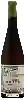
Weingut BischöflichesBlanc de Noir Spätburgunder Trocken
 White wine
This wine generally goes well with vegetarian

Food and wine pairings with Blanc de Noir Spätburgunder Trocken
Pairings that work perfectly with Blanc de Noir Spätburgunder Trocken

Original food and wine pairings with Blanc de Noir Spätburgunder Trocken
The Blanc de Noir Spätburgunder Trocken of Weingut Bischöfliches matches generally quite well with dishes of vegetarian such as recipes of mushroom, bacon and gruyere quiche.
Details and technical informations about Weingut Bischöfliches's Blanc de Noir Spätburgunder Trocken.
Discover the grape variety: Malvoisie de Toscane
Structured, full-bodied dry whites with a golden robe, an ample palate with moderate acidity. Signature aromas of ripe yellow fruits, white flowers, almond and honey. Also made as a mellow or sweet passito in Tuscan Vin Santo (long straw-drying). A traditional component of Tuscan and Umbrian whites, defining the identity of central Italy. French synonym for the Italian Malvasia Bianca Lunga.
Informations about the Weingut Bischöfliches
The Weingut Bischöfliches is one of of the world's greatest estates. It offers 30 wines for sale in the of Rüdesheim to come and discover on site or to buy online.

The wine region of Rüdesheim
Emblematic Rheingau village facing the Rhine, vineyards on very steep slopes (Berg Schlossberg up to 70%), Taunus quartzite and phyllite soils, viticulture since 1040. Exclusive Riesling signature as white king: taut and mineral with white peach, apricot, candied citrus, white flowers, honey and typical petrol hint, low alcohol and vibrant acidity — from dry Kabinett to luscious Trockenbeerenauslese. Exceptional straight whites for long ageing.
The wine region of Rheingau
Historic cradle of great German Riesling: age-worthy whites of rare precision, from taut dry (Trocken) to botrytised sweet (Auslese, Beerenauslese, TBA) with notes of peach, citrus, acacia honey, noble petrol and slatey minerality. Riesling king on ~80% of the vineyard. Also Spätburgunder (Pinot Noir, 8%), notably the fine, silky Assmannshausen. 3,100 ha on south-facing slopes overlooking the Rhine (Hesse).
The word of the wine: Basic wine
Dry, still wine intended for the production of sparkling wines (champagne, crémants, etc.). The basic wines undergo a second fermentation in the bottle for the production of carbon dioxide, and therefore of bubbles.