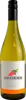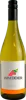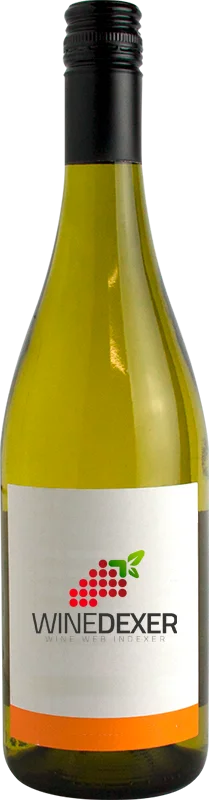
Winery Boris M. ViolićChardonnay
 White wine


This wine generally goes well with pork, vegetarian or poultry.
Food and wine pairings with Chardonnay
Pairings that work perfectly with Chardonnay



Original food and wine pairings with Chardonnay

The Chardonnay of Winery Boris M. Violić matches generally quite well with dishes of pork, rich fish (salmon, tuna etc) or vegetarian such as recipes of caramelized pork ribs, tuna, pepper and tomato quiche or mushroom, bacon and gruyere quiche.
Details and technical informations about Winery Boris M. Violić's Chardonnay.
Discover the grape variety: Chardonnay
The white Chardonnay is a grape variety that originated in France (Burgundy). It produces a variety of grape specially used for wine making. It is rare to find this grape to eat on our tables. This variety of grape is characterized by small bunches, and small grapes. White Chardonnay can be found in many vineyards: South West, Burgundy, Jura, Languedoc & Roussillon, Cognac, Bordeaux, Beaujolais, Savoie & Bugey, Loire Valley, Champagne, Rhone Valley, Armagnac, Lorraine, Alsace, Provence & Corsica.
Last vintages of this wine
The best vintages of Chardonnay from Winery Boris M. Violić are 0
Informations about the Winery Boris M. Violić
The Winery Boris M. Violić is one of of the world's greatest estates. It offers 6 wines for sale in the of Dalmatian Coast to come and discover on site or to buy online.

The wine region of Dalmatian Coast
The wine region of Dalmatian Coast of Croatia. Wineries and vineyards like the Domaine Bibich or the Domaine Boškinac produce mainly wines red and white. The most planted grape varieties in the region of Dalmatian Coast are Plavac mali, Merlot and Cabernet-Sauvignon, they are then used in wines in blends or as a single variety. On the nose of Dalmatian Coast often reveals types of flavors of pineapple, black currant or cola and sometimes also flavors of dark fruit, cinnamon or prune.
The word of the wine: Left bank
In Bordeaux, refers to the vineyards located on the left bank of the Gironde, where the dominant grape variety is Cabernet Sauvignon. These are the Medoc, Haut-Médoc, Pessac-Leognan, Graves, etc. appellations.