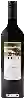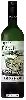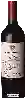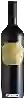
Winery VinosinoBeau Puratour Corbières
 Red wine
This wine generally goes well with beef, veal or pasta.

Food and wine pairings with Beau Puratour Corbières
Pairings that work perfectly with Beau Puratour Corbières



Original food and wine pairings with Beau Puratour Corbières
The Beau Puratour Corbières of Winery Vinosino matches generally quite well with dishes of beef, pasta or veal such as recipes of feijoada ( portuguese cassoulet ), pastasciutta (corsica) or cocotte chicken roulades.
Details and technical informations about Winery Vinosino's Beau Puratour Corbières.
Discover the grape variety: Brachet
Light, fruity reds with a clear ruby robe, soft tannins and an airy palate with preserved acidity on red fruit (cherry, raspberry) and Mediterranean spices from the Nice terroir. Airy profile. Blended into Bellet AOC wines, contributing to the unique identity of Nice wines alongside Folle Noire and Braquet. No kinship with Piedmontese Brachetto. Autochthonous black Provençal variety from the Alpes-Maritimes.
Informations about the Winery Vinosino
The Winery Vinosino is one of wineries to follow in Corbières.. It offers 55 wines for sale in the of Corbières to come and discover on site or to buy online.

The wine region of Corbières
Largest AOC in Languedoc, 95% Mediterranean reds. Signature old-vine Carignan (up to 60%): fleshy reds with black fruit, garrigue, black olive, spice and tight tannins. Blended with round, sunny Grenache, peppery Syrah, dense Mourvèdre and supple Cinsault. A few fresh rosés and whites (Grenache Blanc, Roussanne).
The wine region of Languedoc-Roussillon
Largest single French vineyard, dominated by sunny, generous reds. Spicy Syrah, candied Grenache (ripe fruit, garrigue), structured Carignan, deep Mourvèdre, supple Cinsault. Stars: structured Corbières, Minervois, Faugères, Saint-Chinian; round Côtes-du-Roussillon. Legendary vins doux naturels: Banyuls and Maury (fortified Grenache) with notes of cocoa, fig, prune.
The word of the wine: Champagne rosé
Often obtained by adding red wines (from Champagne), it is even the only vineyard where this practice is allowed. Some producers prefer the practice used in other regions, i.e. a short maceration to extract sufficient colouring matter. This results in winey rosés for meals. Elegant aperitif rosé is more often made from red wine coloured Chardonnay. Rosés can be vintage or non vintage.