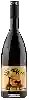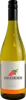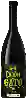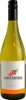
Winery Vinos DivertidosCojón de Gato Godello
 White wine


This wine generally goes well with

Details and technical informations about Winery Vinos Divertidos's Cojón de Gato Godello.
Discover the grape variety: Verjus
A very high-acid variety grown not for wine but for verjuice production — the tart unripe grape juice used in traditional cooking to acidify sauces and meats. Now virtually extinct, it bears witness to French gastronomic and viticultural heritage and is preserved in varietal collections for its historical interest. A historic French white grape specific to medieval verjuice.
Last vintages of this wine
The best vintages of Cojón de Gato Godello from Winery Vinos Divertidos are 2018, 0, 2017
Informations about the Winery Vinos Divertidos
The Winery Vinos Divertidos is one of of the world's great estates. It offers 24 wines for sale in the of Somontano to come and discover on site or to buy online.

The wine region of Somontano
Aragonese DO at the foot of the Pyrenees ("below the mountain"), 4,300 ha between 350-1,000 m. A cosmopolitan vineyard mixing native and international grapes. Dense reds with signature notes of blackberry, cherry, spices and a balsamic touch: spicy Tempranillo, firm Cabernet Sauvignon, round Merlot, sunny Garnacha, rare native Moristel and Parraleta. Fresh Macabeo, ample Chardonnay, opulent Gewürztraminer whites (lychee, rose).
The wine region of Aragon
Autonomous community of northeast Spain, historic kingdom of Iberian red Grenache (~75%). Signature Garnacha: generous and sun-drenched with signature ripe cherry, crushed strawberry, garrigue, kirsch, sweet spice and a balsamic touch, round tannins and a warm, alcoholic palate. 4 major DOs: Cariñena the largest (old vines), Calatayud high-altitude, Campo de Borja and Somontano at the Pyrenean foothills. Fresh Macabeo and Garnacha blanca whites.
The word of the wine: Extra raw
Champagne dosed between 0 and 6 grams of sugar (see dosage liqueur).