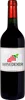
Winery Vinhos Noè1936 Tinto Seco
 Red wine


This wine generally goes well with

Details and technical informations about Winery Vinhos Noè's 1936 Tinto Seco.
Discover the grape variety: Bicane
Simple, lively dry whites with a pale golden robe, a supple palate with preserved acidity, and undemonstrative aromas of citrus and white flowers. Vigorous and productive, once distilled in Cognac. Now marginal but preserved in Cognaçais varietal collections, a witness to Charentes heritage. French autochthonous variety from the South-West, father of Admirable de Courtiller via a cross with Chasselas.
Last vintages of this wine
The best vintages of 1936 Tinto Seco from Winery Vinhos Noè are 0, 2019
Informations about the Winery Vinhos Noè
The Winery Vinhos Noè is one of of the world's greatest estates. It offers 3 wines for sale in the of Serra Gaúcha to come and discover on site or to buy online.

The wine region of Serra Gaúcha
Brazil's wine capital, Rio Grande do Sul. Specialty: high-quality traditional-method sparklers, fine and fruity (apple, citrus, white flowers), elegant bubble, alpine expression of the south. Still wines mostly European: round fruity Merlot, firm Cabernet Sauvignon, more tannic Tannat, fresh Chardonnay, supple Riesling Italico, fine Pinot Noir. Marked by Italian immigration in 1875, humid climate tempered by altitude.
The wine region of Rio Grande do Sul
Brazil's winemaking heart (~80% of production), Italian tradition. Recognised specialty: traditional-method sparkling wines (espumantes), fresh and fruity, based on Chardonnay and Pinot Noir, among South America's finest. Accessible reds: supple, fruity Merlot (plum, cherry), fleshy Cabernet Sauvignon, dense, tannic Tannat. Round Chardonnay, light Riesling Italico, sweet, floral Moscato whites.
The word of the wine: Maceration
Prolonged contact and exchange between the juice and the grape solids, especially the skin. Not to be confused with the time of fermentation, which follows maceration. The juice becomes loaded with colouring matter and tannins, and acquires aromas. For a rosé, the maceration is short so that the colour does not "rise" too much. For white wines too, a "pellicular maceration" can be practised, which allows the wine to acquire more fat.