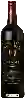
Vignobles Lalande MoreauLe Chevalier Parrod Bordeaux
 Red wine
This wine generally goes well with poultry, beef or veal.

Food and wine pairings with Le Chevalier Parrod Bordeaux
Pairings that work perfectly with Le Chevalier Parrod Bordeaux



Original food and wine pairings with Le Chevalier Parrod Bordeaux

The Le Chevalier Parrod Bordeaux of Vignobles Lalande Moreau matches generally quite well with dishes of beef, veal or game (deer, venison) such as recipes of beef colombo bourguignon style, milanese osso buco or rabbit with white wine and mushrooms.
Details and technical informations about Vignobles Lalande Moreau's Le Chevalier Parrod Bordeaux.
Discover the grape variety: Mayorquin
Lively, aromatic whites with a pale golden robe, an airy palate with preserved acidity, and signature aromas of white flowers, citrus (lemon, grapefruit) and fresh Mediterranean notes. A discreet, characteristic Provençal profile. Preserved for its heritage value, it survives in a few Provençal heritage plots and is among the ancient grape varieties of south-eastern France that are studied. An indigenous French white from Provence, grown in negligible quantities.
Informations about the Vignobles Lalande Moreau
The Vignobles Lalande Moreau is one of wineries to follow in Bordeaux.. It offers 512 wines for sale in the of Bordeaux to come and discover on site or to buy online.

The wine region of Bordeaux
World-renowned age-worthy reds, led by round Merlot (plum, black fruit) or firm Cabernet Sauvignon (blackcurrant, cedar, graphite), blended with Cabernet Franc and Petit Verdot for tannic structure. Structured Médoc and Graves, velvety Saint-Émilion and Pomerol. Also crisp dry whites (Sauvignon/Sémillon) and opulent sweet Sauternes with honey and candied fruit. A 110,000 ha Gironde vineyard, 65 appellations, cradle of the 1855 classified growths.
The word of the wine: Cordial
Said of a warm, heady wine. Also used to describe wines and spirits with allegedly therapeutic properties.