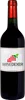
Vignerons de QuercyEtc Merlot - Tannat
 Red wine


This wine is a blend of 2 varietals which are the Tannat and the Merlot.
In the mouth this red wine is a powerful with a nice balance between acidity and tannins.
This wine generally goes well with beef, veal or pasta.

Taste structure of the Etc Merlot - Tannat from the Vignerons de Quercy
Light | Bold | |
Smooth | Tannic | |
Dry | Sweet | |
Soft | Acidic |
In the mouth the Etc Merlot - Tannat of Vignerons de Quercy in the region of Comté Tolosan is a powerful with a nice balance between acidity and tannins.
Food and wine pairings with Etc Merlot - Tannat
Pairings that work perfectly with Etc Merlot - Tannat



Original food and wine pairings with Etc Merlot - Tannat
The Etc Merlot - Tannat of Vignerons de Quercy matches generally quite well with dishes of beef, pasta or veal such as recipes of beef coarse salt, wok of chinese noodles with vegetables or gigolette of rabbit.
Details and technical informations about Vignerons de Quercy's Etc Merlot - Tannat.
Discover the grape variety: Tannat
Powerful, tannic reds with inky colour and dense texture, with aromas of blackberry, blackcurrant, black plum, leather, liquorice and smoky notes. Very high ageing potential and polyphenol content (health reputation). Star of Madiran AOC in Béarn and the national grape of Uruguay (Canelones, Maldonado). Also grown in Irouléguy and Tursan. Late-ripening red variety from south-west France.
Informations about the Vignerons de Quercy
The Vignerons de Quercy is one of of the world's great estates. It offers 52 wines for sale in the of Comté Tolosan to come and discover on site or to buy online.

The wine region of Comté Tolosan
IGP covering all of southwest France across 12 departments, a broad and accessible palette. On the Garonne right bank, supple reds dominate: signature Merlot with signature notes of plum, ripe cherry, cocoa and a herbaceous touch, round tannins. Firm Cabernet, spicy Syrah, tannic local Tannat. Left bank for whites: vivid Colombard and Gros Manseng (citrus, grapefruit, exotic fruits), aromatic Sauvignon.
The word of the wine: Residual sugars
Sugars not transformed into alcohol and naturally present in the wine. The perception of residual sugars is conditioned by the acidity of the wine. The more acidic the wine is, the less sweet it will seem, given the same amount of sugar.