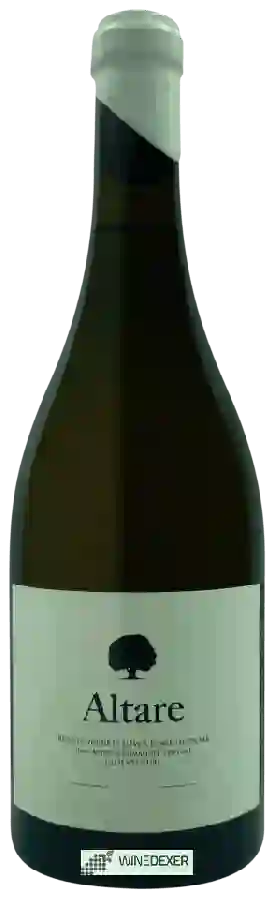
Domaine VicoAltare Clos Venturi
This wine generally goes well with
Details and technical informations about Domaine Vico's Altare Clos Venturi.
Discover the grape variety: Vermentino
The vermentino grape variety was widespread in Italy, Sardinia and Corsica. Today, Vermentino is grown in the regions bordering the Mediterranean, mainly in Provence (Côtes de Provence, Bellet), Corsica (Corse Calvi), Languedoc (Côtes du Roussillon, Costières de Nîmes) and the Rhône Valley (Côtes du Luberon). Because it ripens late, Vermentino requires a warm climate for its development and can only be grown in regions with good sun exposure. Conversely, cold or temperate climates do not allow it to ripen properly. Vermentino is only susceptible to powdery mildew. When vinified on its own, Vermentino produces a single-variety dry white wine that is light and full-bodied with a pale yellow color. It can also be blended with other grape varieties such as Ugni Blanc, Cinsault and Grenache, in which case its low acidity makes it light and fresh. Vermentino belongs to the grape varieties of Ajaccio, Corsica and Corbières. The aromas released by this variety are multiple. One can detect notes of fresh apple, green almond, sweet spices, hawthorn, ripe pear and fresh pineapple.
Last vintages of this wine
The best vintages of Altare Clos Venturi from Domaine Vico are 2017
Informations about the Domaine Vico
The Domaine Vico is one of of the world's great estates. It offers 52 wines for sale in the of Corsica to come and discover on site or to buy online.

The wine region of Corsica
Corsica is an island in the Mediterranean Sea, located between the southeast coast of Provence and the west coast of Tuscany. Although it is closer to Italy, Corsica has been under French rule since 1769 and is one of the 26 regions of France. The island's Italian origins are evident in its wines, which are mainly made from the classic Italian Grapes Vermentino and Sangiovese (known here as Rolle and Nielluccio respectively). Despite its remoteness, Corsican winemakers have amassed an impressive and diverse portfolio of grape varieties - there are very few places on earth where Pinot Noir, Tempranillo and Barbarossa grow side by side.
The word of the wine: Tanin
A natural compound contained in the skin of the grape, the seed or the woody part of the bunch, the stalk. The maceration of red wines allows the extraction of tannins, which give the texture, the solidity and also the mellowness when the tannins are "ripe". The winemaker seeks above all to extract the tannins from the skin, the ripest and most noble. The tannins of the seed or stalk, which are "greener", especially in average years, give the wine hardness and astringency. The wines of Bordeaux (based on Cabernet and Merlot) are full of tannins, those of Burgundy much less so, with Pinot Noir containing little.