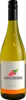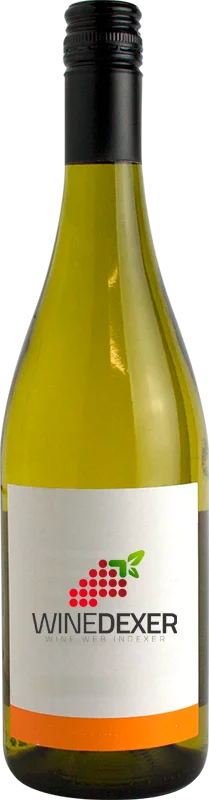
Winery Viña FronteraBaboso Blanco
 White wine


This wine generally goes well with
The Baboso Blanco of the Winery Viña Frontera is in the top 10 of wines of El Hierro.

Details and technical informations about Winery Viña Frontera's Baboso Blanco.
Discover the grape variety: Pinot
An iconic family with varied profiles: fine, silky age-worthy reds (Pinot Noir) with cherry, raspberry and undergrowth aromas; lively mineral whites (Pinot Blanc/Weißburgunder); round spicy whites (Pinot Gris/Grauburgunder); fruity Champagne bases (Pinot Meunier/Spätburgunder). Stars of Burgundy, Alsace, Champagne, Germany and the New World. All mutations of a common Burgundian ancestor, among the world's greatest varieties.
Last vintages of this wine
The best vintages of Baboso Blanco from Winery Viña Frontera are 0
Informations about the Winery Viña Frontera
The Winery Viña Frontera is one of of the world's greatest estates. It offers 16 wines for sale in the of El Hierro to come and discover on site or to buy online.

The wine region of El Hierro
DOP (1995) on the smallest and westernmost Canary Island, infertile volcanic soils (clay, limestone, sand and ash) in the collapsed crater of El Golfo. Listán Blanco is the signature white: lively and light with citrus, green apple, white flowers and a smoky volcanic mineral touch. Vijariego and Malvasía Aromática are also distinctive whites. Listán Negro and Baboso in supple reds with red fruits, garrigue and pepper.
The wine region of Iles Canaries
Spanish vineyard archipelago spared by phylloxera, ~50 grape varieties of which 20 unique worldwide. Black volcanic soils and sub-tropical oceanic climate. Listán Negro in light, spicy red with signature notes of red cherry, wild strawberry, smoke, pepper and a volcanic mineral touch, fine tannins — an atypical style. Supple Negramoll, fresh Listán Blanco (citrus, flowers), aromatic Malvasía (candied orange, honey) historically famous.
The word of the wine: Reassembly
During the vinification process, a "cap" is formed at the top of the vats with the solid parts (skin, pulp, pips, etc.), which contain tannins and colouring elements. Pumping over consists of emptying the vat from the bottom and pouring the juice back to the top, in order to mix the cap and the juice and to favour the exchange and the extraction. This old technique allows a better exchange between the solid parts and the liquid.