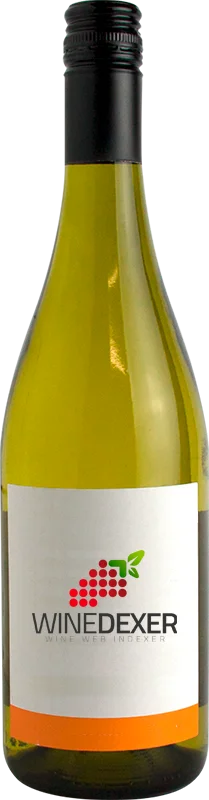
Winery Vesztergom PinceOttonel Muskotály
 White wine
This wine generally goes well with
The Ottonel Muskotály of the Winery Vesztergom Pince is in the top 80 of wines of Balaton.

Details and technical informations about Winery Vesztergom Pince's Ottonel Muskotály.
Discover the grape variety: Muscat Ottonel
Delicate and fine muscat whites with a tender palate and moderate acidity, on intense and refined aromas of orange blossom, rose, fresh grape, citrus, white peach and airy muscat (more subtle than Muscat Blanc à Petits Grains). Made as aromatic dry aperitif whites (Alsace, Baden), off-dry and sumptuous botrytised liquoreux (Burgenland in Austria, Cotnari in Romania, Tokaj). Created in the 19th century by Robert Moreau (Angers), a cross of Chasselas × Muscat de Saumur.
Informations about the Winery Vesztergom Pince
The Winery Vesztergom Pince is one of of the world's greatest estates. It offers 8 wines for sale in the of Balaton to come and discover on site or to buy online.

The wine region of Balaton
Hungarian region around the largest lake in Central Europe, 6 zones including volcanic Badacsony. Signature Olaszrizling (Welschriesling), Hungary's most planted grape: lively, mineral whites with signature notes of almond, citrus, green apple, white flowers and a herbaceous touch, a crisp finish - a typical thirst-quenching wine. Also round Szürkebarát (Pinot Gris), ample Chardonnay, rare native Kéknyelű. Basalt in the north, lakeside climate.
The word of the wine: Pressing
Mechanical action consisting of pressing the grapes (before fermentation for whites) or the marc soaked in wine (after fermentation for reds).