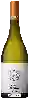
Winery Casal de VentozelaExtra Bruto Classico
 wine
wine
This wine generally goes well with
The Extra Bruto Classico of the Winery Casal de Ventozela is in the top 0 of wines of Vinho Verde.
Details and technical informations about Winery Casal de Ventozela's Extra Bruto Classico.
Discover the grape variety: Tourbat
The Tourbat grape variety is found particularly in Sardinia. It is probably of Catalan origin and is grown on an area of 25 hectares. It is also known by other names such as torbato, caninu or malvoise du Roussillon, and develops perfectly in hot, dry soil. It is noticeable for its drooping habit. Its lobed leaves have short teeth. The bunches, sometimes winged, are of medium size. They can weigh up to 347 gr. The berries, a little ellipsoid, are rather of a medium size. The flesh is juicy and covered with a rather thick skin, which takes on an amber-pink colour when they are ripe. A wine of medium acidity and high quality comes from this variety. When young, the wine gives off an aroma of ripe apples and when aged, it gives off a scent of honey and cooked fruits.
Last vintages of this wine



The best vintages of Extra Bruto Classico from Winery Casal de Ventozela are 0, 2015
Informations about the Winery Casal de Ventozela
The Winery Casal de Ventozela is one of of the world's great estates. It offers 22 wines for sale in the of Vinho Verde to come and discover on site or to buy online.

The wine region of Vinho Verde
The wine region of Vinho Verde is located in the region of Minho of Portugal. We currently count 535 estates and châteaux in the of Vinho Verde, producing 1615 different wines in conventional, organic and biodynamic agriculture. The wines of Vinho Verde go well with generally quite well with dishes .
The wine region of Minho
Minho is Portugal's Northernmost wine region. It is known for one wine style above all others: crisp, light, white Vinho Verde, whose DOC zone covers the same territory. The Minho name is used for the area's Vinho Regional designation (similar to the French IGP). The latter's looser production laws allow more diversity in the average winery's portfolio, including red and rosé wines.
The word of the wine: Cep
Grapevine.