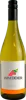
Winery VeloCabernet Sauvignon
 Red wine
In the mouth this red wine is a powerful with a nice balance between acidity and tannins.
This wine generally goes well with poultry, beef or lamb.

Taste structure of the Cabernet Sauvignon from the Winery Velo
Light | Bold | |
Smooth | Tannic | |
Dry | Sweet | |
Soft | Acidic |
In the mouth the Cabernet Sauvignon of Winery Velo in the region of Tasmanie is a powerful with a nice balance between acidity and tannins.
Wine flavors and olphactive analysis

Food and wine pairings with Cabernet Sauvignon
Pairings that work perfectly with Cabernet Sauvignon



Original food and wine pairings with Cabernet Sauvignon
The Cabernet Sauvignon of Winery Velo matches generally quite well with dishes of beef, lamb or poultry such as recipes of beef in white wine, lamb chops with figs and honey or coconut chicken curry in thermomix.
Details and technical informations about Winery Velo's Cabernet Sauvignon.
Discover the grape variety: Cabernet-Sauvignon
Structured, tannic reds, deeply coloured, with aromas of blackcurrant, blackberry, cedar, tobacco and graphite, underpinned by firm acidity and fine ageing potential. Cornerstone of the great Médoc estates (Pauillac, Saint-Estèphe, Saint-Julien) and signature of Napa Valley, Coonawarra and Maipo. The world's most planted red variety, a natural cross of Cabernet Franc x Sauvignon Blanc born in Bordeaux.
Informations about the Winery Velo
The Winery Velo is one of of the world's greatest estates. It offers 18 wines for sale in the of Tasmanie to come and discover on site or to buy online.

The wine region of Tasmanie
Cool austral island south of Australia, a cool-climate benchmark. Signature Pinot Noir: fine, fresh reds with notes of red cherry, raspberry, wild strawberry and spices, delicate tannins and taut acidity — often compared to Burgundy. Precise, mineral Chardonnay (lemon, brioche), vibrant dry Riesling. Renowned speciality: refined traditional-method sparklers, among the best outside France.
The word of the wine: Farm
Wine dominated by a strong acidity and/or biting tannins. In this case, the components of the wine need to melt, i.e. to harmonize during the maturation in the cellar.