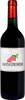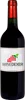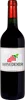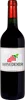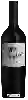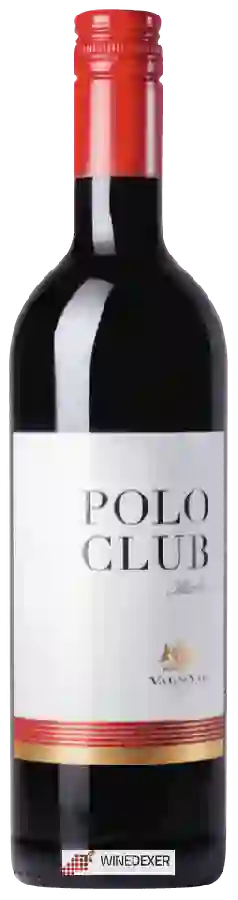
Winery Val de ViePolo Club Merlot
 Red wine


In the mouth this red wine is a powerful with a nice freshness.
This wine generally goes well with beef, veal or lamb.

Taste structure of the Polo Club Merlot from the Winery Val de Vie
Light | Bold | |
Smooth | Tannic | |
Dry | Sweet | |
Soft | Acidic |
In the mouth the Polo Club Merlot of Winery Val de Vie in the region of Western Cape is a powerful with a nice freshness.
Food and wine pairings with Polo Club Merlot
Pairings that work perfectly with Polo Club Merlot



Original food and wine pairings with Polo Club Merlot
The Polo Club Merlot of Winery Val de Vie matches generally quite well with dishes of beef, lamb or veal such as recipes of traditional hungarian goulash, blanquette of lamb or bocconcini (veal rolls with ham and comté).
Details and technical informations about Winery Val de Vie's Polo Club Merlot.
Discover the grape variety: Merlot
Round and fleshy reds with a velvety texture, showing aromas of ripe plum, black cherry, cocoa and truffle notes with age. Supple tannins, generous alcohol, indulgent finish. Pillar of Libournais (Pomerol with Pétrus, Saint-Émilion with Cheval Blanc and Ausone) and signature of Super Tuscans, Italian Wales and Washington State. A cross of Cabernet Franc × Magdeleine Noire, France's most planted red variety.
Last vintages of this wine
The best vintages of Polo Club Merlot from Winery Val de Vie are 0
Informations about the Winery Val de Vie
The Winery Val de Vie is one of of the world's great estates. It offers 22 wines for sale in the of Western Cape to come and discover on site or to buy online.

The wine region of Western Cape
Cradle of South African wine. Signature Chenin Blanc (Steen, 20%) in ample, fresh whites with notes of quince, yellow apple, honey and acacia flower, from crisp dry to sweet. Sharp, iodised Sauvignon Blanc (Walker Bay, Constantia), balanced Chardonnay. Reds: emblematic Pinotage with roasted aromas (coffee, plum, smoke), firm Cabernet Sauvignon, spicy Syrah.
The word of the wine: Old vines
There are no specific regulations governing the term "vieilles vignes". After 20 to 25 years, the yields stabilize and tend to decrease, the vines are deeply rooted, and the grapes that come from them give richer, more concentrated, more sappy wines, expressing with more nuance the characteristics of their terroir. It is possible to find plots of vines that claim to be a century old.