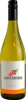
Winery VajnoryRizling Vlašský
 wine
wine
This wine generally goes well with
The Rizling Vlašský of the Winery Vajnory is in the top 0 of wines of Malokarpatská.
Details and technical informations about Winery Vajnory's Rizling Vlašský.
Discover the grape variety: Dattier de Saint Vallier
Interspecific crossing obtained by Seyve-Villard between the 6468 Seibel and the Panse de Provence. This direct-producing hybrid is practically no longer multiplied, but can still be found among amateur gardeners or collectors.
Informations about the Winery Vajnory
The Winery Vajnory is one of of the world's greatest estates. It offers 7 wines for sale in the of Malokarpatská to come and discover on site or to buy online.

The wine region of Malokarpatská
The wine region of Malokarpatská of Slovak Republic. Wineries and vineyards like the Domaine Rariga or the Domaine Vladimir Valenta produce mainly wines white, red and pink. The most planted grape varieties in the region of Malokarpatská are Cabernet-Sauvignon, Riesling and Gewurztraminer, they are then used in wines in blends or as a single variety. On the nose of Malokarpatská often reveals types of flavors of tree fruit, apples or citrus fruit and sometimes also flavors of non oak, earth or microbio.
The word of the wine: Primeur (wine)
A wine made to be drunk very young, bottled and marketed very soon after fermentation (about two months). Syn.: new.