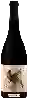
Winery Union Vinicole de FranceLes Epinettes
 Red wine
This wine generally goes well with
Details and technical informations about Winery Union Vinicole de France's Les Epinettes.
Discover the grape variety: Admirable
According to genetic analyses carried out in Montpellier (Hérault), it is the result of a cross between the bicane and the chasselas obtained in Saumur (Maine and Loire Valley) by Doctor Auguste Courtiller in the 1840s, registered in the Official Catalogue of table grape varieties, list A1. Today, the Admirable de Courtiller is practically no longer multiplied.
Informations about the Winery Union Vinicole de France
The Winery Union Vinicole de France is one of wineries to follow in Côtes du Tarn.. It offers 4 wines for sale in the of Côtes du Tarn to come and discover on site or to buy online.

The wine region of Côtes du Tarn
The wine region of Côtes du Tarn is located in the region of Comté Tolosan of Vin de Pays of France. Wineries and vineyards like the Domaine d'En Ségur or the Domaine Comte de Thun produce mainly wines red, white and pink. The most planted grape varieties in the region of Côtes du Tarn are Merlot, Duras and Gamay noir, they are then used in wines in blends or as a single variety. On the nose of Côtes du Tarn often reveals types of flavors of pineapple, black fruit or peach and sometimes also flavors of citrus, cheese or vanilla.
The wine region of Comté Tolosan
Comte Tolosan is a PGI title that covers wines produced in a large area of Southwestern France. The PGI basin encompasses 12 administrative dePartments and is home to a wide range of appellations d'origine contrôlée (AOC) such as Jurançon, Cahors and Armagnac. The IGP label provides a geographical classification for wines that are not classified for AOC level appellations due to Grape variety or winemaking style. The region is part of the Aquitaine basin - the plains that lie between the Pyrenees, the Massif Central and the Atlantic Ocean to the west.
The word of the wine: Reserve wine (champagne)
Older wines, kept in vats or aged in wood in some houses, or kept in magnums at Bollinger. A small percentage of these wines are used in the blending of non-vintage wines in order to bring greater aromatic complexity.