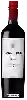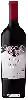
Winery TrentadueLa Storia Cabernet Sauvignon
 Red wine


This wine generally goes well with

Wine flavors and olphactive analysis


On the nose the La Storia Cabernet Sauvignon of Winery Trentadue in the region of California often reveals types of flavors of non oak, earth or oak and sometimes also flavors of red fruit, black fruit.
Details and technical informations about Winery Trentadue's La Storia Cabernet Sauvignon.
Discover the grape variety: Béquignol
Deeply coloured, structured reds with a sustained purple robe, firm tannins, an ample palate and moderate acidity; signature aromas of dark fruits (blackberry, blackcurrant), spices and rustic notes from Aveyron. Full-bodied, age-worthy style. Preserved in a few heritage plots of the IGP Aveyron, among the ancient South-West varieties studied for their genetic interest. Indigenous French black grape from the South-West, grown in Aveyron and the Lot.
Last vintages of this wine
The best vintages of La Storia Cabernet Sauvignon from Winery Trentadue are 2012, 2013, 2016, 2014 and 0.
Informations about the Winery Trentadue
The Winery Trentadue is one of of the world's greatest estates. It offers 39 wines for sale in the of Sonoma County to come and discover on site or to buy online.

The wine region of Sonoma County
Accessible, quality Californian mosaic north of San Francisco: signature Pinot Noir as king red on the cool side (Russian River, Sonoma Coast) — fine and silky with notes of cherry, raspberry, undergrowth and a spicy touch. Ample Chardonnay (apple, vanilla). Dense Cabernet Sauvignon in Alexander Valley (blackcurrant, cedar), spicy Zinfandel in Dry Creek (blackberry, pepper). 19 distinct AVAs, >60 grapes, foggy coast vs warm valleys.
The wine region of California
Powerful, sunny reds: dense Napa Cabernet Sauvignon (blackcurrant, chocolate, tobacco, ample tannins), spicy, jammy Zinfandel from the Sierra Foothills, silky red-fruited Pinot Noir on the cool coast (Sonoma, Russian River, Central Coast). Opulent, buttery Chardonnay, notes of yellow fruit and vanilla. Varied climate, from the hot interior to the Pacific-cooled coast. 80% of US production, 139 AVAs including Napa (1st AVA, 1981).
The word of the wine: Pinot meunier
Cultivated in the 19th century in all the northern vineyards, this black grape variety has largely regressed since. Very present in the Marne valley, it constitutes a third of the vineyards in Champagne, alongside pinot noir and chardonnay with which it is often blended. It brings roundness and red and yellow fruit aromas to champagnes. Pinot meunier is also the dominant grape variety in red and rosé wines in the Orleans AOC and the rare Touraine-Noble-Joué, a grey wine. Syn.: meunier.