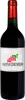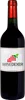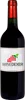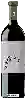
Winery Torre CastilloRoble
 Red wine


In the mouth this red wine is a powerful with a nice balance between acidity and tannins.
This wine generally goes well with beef, game (deer, venison) or lamb.

Taste structure of the Roble from the Winery Torre Castillo
Light | Bold | |
Smooth | Tannic | |
Dry | Sweet | |
Soft | Acidic |
In the mouth the Roble of Winery Torre Castillo in the region of Murcie is a powerful with a nice balance between acidity and tannins.
Food and wine pairings with Roble
Pairings that work perfectly with Roble



Original food and wine pairings with Roble

The Roble of Winery Torre Castillo matches generally quite well with dishes of beef, pasta or lamb such as recipes of cataplana with seafood, pasta "carbonara" à la française or tajine of merguez and potatoes.
Details and technical informations about Winery Torre Castillo's Roble.
Discover the grape variety: Primitivo
Powerful, sun-drenched reds with a dark robe and generous alcohol, showing aromas of stewed blackberry, stewed plum, dried fig, chocolate, gentle spice and balsamic notes. Supple tannins, indulgent finish. Star of Puglia with Primitivo di Manduria DOC, Gioia del Colle DOC and Salice Salentino. Identical to American Zinfandel and Croatian Crljenak Kaštelanski by DNA analysis.
Last vintages of this wine
The best vintages of Roble from Winery Torre Castillo are 0, 2014, 2013
Informations about the Winery Torre Castillo
The Winery Torre Castillo is one of of the world's great estates. It offers 16 wines for sale in the of Jumilla to come and discover on site or to buy online.

The wine region of Jumilla
Arid south-east Spain, kingdom of Monastrell (Mourvèdre, >85% of vineyards). Powerful, sunny reds with signature notes of candied blackberry, black plum, garrigue, pepper, leather and liquorice, firm tannins and a warm palate — a world reference for the grape. Many ungrafted old vines (phylloxera spared the limestone soils). Also supple Tempranillo, peppery Syrah, round Garnacha.
The wine region of Murcie
Wine region of southeastern Spain on sunny high plateaus, 3 DOs fanning out: Jumilla, Yecla, Bullas. Monastrell (Mourvedre) reigns in red (~80% of the vineyard): dense and sunny with signature notes of black mulberry, candied black cherry, garrigue, leather, liquorice and a sweet spice touch, firm tannins and a warm palate — pomegranate robe, sustained alcohol, often own-rooted. Round Grenache, supple Tempranillo, peppery Syrah. Southern wines with outstanding value.
The word of the wine: Broker
In the past, he was a sort of fraud control agent who had to watch over the quality of merchant wines (he could carry a sword!). His function has evolved towards expertise (it was the brokers who established the famous 1855 classification in Bordeaux) and today he puts the producer in contact with the merchant.