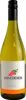
Château TopoľčiankySlámové Alibernet
 Sweet wine



This wine generally goes well with
Details and technical informations about Château Topoľčianky's Slámové Alibernet.
Discover the grape variety: Dureza
This grape variety is said to originate in the north of the Ardèche department, but we find it very similar to Duras from the Gaillac region (Tarn). D.N.A. analyses have shown that Syrah is related to Mondeuse Blanche (mother) and Dureza (father). Italian and Swiss researchers have also suggested that Dureza, which is now endangered, is a brother or sister of the Italian variety Teroldego and that Pinot Noir is a close relative. Dureza is registered in the Official Catalogue of wine grape varieties, list A1. - Synonym: duré or duret (for all the synonyms of the grape varieties, click here!).
Last vintages of this wine
The best vintages of Slámové Alibernet from Château Topoľčianky are 0
Informations about the Château Topoľčianky
The Château Topoľčianky is one of of the world's great estates. It offers 85 wines for sale in the of Slovakia to come and discover on site or to buy online.

The wine region of Slovakia
Slovakia (officially The Slovak Republic) is a landlocked country described as being either at the eastern edge of Western Europe, or the western edge of Eastern Europe. This dichotomy reflects the state's recent history, a story of political unrest common in this region. The lands that are now Slovakia were an integral Part of Hungary for almost 900 years, but became independent when the Austro-Hungarian Empire was dismantled after the First World War. Almost immediately, Slovakia aligned itself with Bohemia and Moravia (the modern-day Czech Republic), Silesia and Carpathian Ruthenia to form Czechoslovakia.
The word of the wine: Saignée (rosé de)
Rosé wine made from a vat of black grapes after a short maceration period.