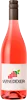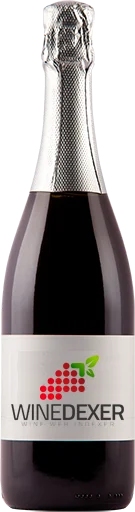
Winery TomazExtra Dry Rosé
 Sparkling wine


This wine generally goes well with
Details and technical informations about Winery Tomaz's Extra Dry Rosé.
Discover the grape variety: Cabernet-Carbon
An interspecific cross between Cabernet Sauvignon and Bronner made in 1983 by Norbert Becker of the Freiburg Research Institute in Germany. It can be found in Germany, the Netherlands, Belgium, Switzerland, Italy, Romania, ... little known in France.
Last vintages of this wine
The best vintages of Extra Dry Rosé from Winery Tomaz are 2008, 0
Informations about the Winery Tomaz
The Winery Tomaz is one of of the world's greatest estates. It offers 10 wines for sale in the of Istra to come and discover on site or to buy online.

The wine region of Istra
The wine region of Istra of Croatia. Wineries and vineyards like the Domaine Meneghetti or the Domaine Medea produce mainly wines white, red and sweet. The most planted grape varieties in the region of Istra are Terrano, Merlot and Cabernet-Sauvignon, they are then used in wines in blends or as a single variety. On the nose of Istra often reveals types of flavors of pineapple, quince or hay and sometimes also flavors of grass, honeysuckle or truffle.
The word of the wine: Imperial
Bottle with a capacity of 6 liters (synonym of mathusalem).