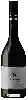
Winery Tokaj NobilisAmicus
 White wine


This wine generally goes well with

Wine flavors and olphactive analysis



On the nose the Amicus of Winery Tokaj Nobilis in the region of Tokaj often reveals types of flavors of non oak, earth or oak and sometimes also flavors of tree fruit.
Details and technical informations about Winery Tokaj Nobilis's Amicus.
Discover the grape variety: Ravat blanc
Simple, fresh dry whites with a pale golden robe, supple palate and preserved acidity, with undemonstrative aromas of white flowers, citrus (lemon) and hybrid notes. Productive profile for early drinking. Grown in small quantities in France and Canada for continental-climate vineyards, a witness to post-phylloxera French hybridization history. French white hybrid created by Jean-François Ravat in the early 20th century.
Last vintages of this wine
The best vintages of Amicus from Winery Tokaj Nobilis are 2008, 2011, 0, 2013
Informations about the Winery Tokaj Nobilis
The Winery Tokaj Nobilis is one of of the world's greatest estates. It offers 14 wines for sale in the of Tokaj to come and discover on site or to buy online.

The wine region of Tokaj
Cradle of the legendary Tokaji Aszú, "king of wines" per Louis XIV. Noble sweet wines based on Furmint (lively acidity prone to botrytis) and floral Hárslevelű ("linden leaf"): amber robe, signature aromas of honey, candied apricot, quince, orange peel, saffron, sustained sugar balanced by tense acidity. Measured in "puttonyos" (3 to 6) with Aszú Eszencia at the top. Also dry Furmint on the rise, straight and mineral.
The word of the wine: Fade in
Said of a wine whose different elements are perceived in the mouth in a pleasant and harmonious way.