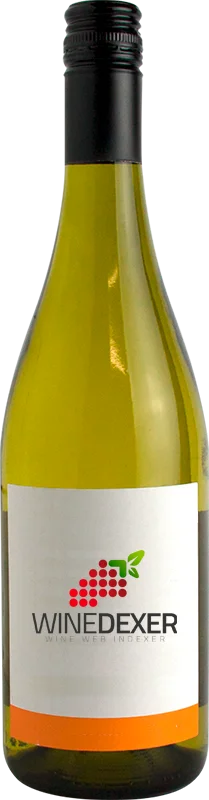
Winery Toison d'OrMuscat Medium Sweet
 White wine


In the mouth this white wine is a powerful.
This wine generally goes well with vegetarian, poultry or lean fish.
Taste structure of the Muscat Medium Sweet from the Winery Toison d'Or
Light | Bold | |
Dry | Sweet | |
Soft | Acidic |
In the mouth the Muscat Medium Sweet of Winery Toison d'Or in the region of Pays d'Oc is a powerful.
Food and wine pairings with Muscat Medium Sweet
Pairings that work perfectly with Muscat Medium Sweet



Original food and wine pairings with Muscat Medium Sweet


The Muscat Medium Sweet of Winery Toison d'Or matches generally quite well with dishes of pasta, vegetarian or poultry such as recipes of pesto pasta salad, leek, goat cheese and bacon quiche or royal couscous (lamb, chicken, merguez).
Details and technical informations about Winery Toison d'Or's Muscat Medium Sweet.
Discover the grape variety: Robin noir
Discovered in the 1870s by Mr. Robin, who lived in the Drôme at the time in Lapeyrouse-Mornay, this ancient grape variety is believed to have originated in the north of Isère. It can also be found in Switzerland. According to Thierry Lacombe (I.N.R.A./Montpellier), it is the result of a natural intraspecific crossing between Tressot Noir and Mondeuse Blanche. It should be noted in passing that, on the one hand, it has exactly the same parents as the mondeuse noire, that on the other hand, it is the mother of the diolinoir and, finally, is related to the servanin. Robin noir is not widely propagated today because it is not well known, although it is listed in the Official Catalogue of Wine Grape Varieties, list A1.
Last vintages of this wine

The best vintages of Muscat Medium Sweet from Winery Toison d'Or are 2011, 2014, 2012
Informations about the Winery Toison d'Or
The Winery Toison d'Or is one of of the world's greatest estates. It offers 15 wines for sale in the of Pays d'Oc to come and discover on site or to buy online.

The wine region of Pays d'Oc
Pays d'Oc is the PGI for red, white and rosé wines that are produced over a wide area of the southern coast of France. The PGI catchment area corresponds roughly to the Languedoc-roussillon">Languedoc-Roussillon wine region, one of the largest wine regions in France. The area covers all wines that are not produced under the strict laws that govern AOC-level appellations in the regions: among them, Corbières, Minervois and the Languedoc appellation itself. The Pays d'Oc PGI is arguably the most important in France, producing the majority of the country's PGI wines.
The word of the wine: Green
Said of a wine that is too acidic or marked by unpleasant vegetal tastes.