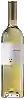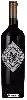
Winery Tinte CellarsMalbec
 wine
wine
This wine generally goes well with
The Malbec of the Winery Tinte Cellars is in the top 0 of wines of Columbia Valley.

Details and technical informations about Winery Tinte Cellars's Malbec.
Discover the grape variety: Grüner Veltliner
Dry, vivid and structured whites with a pale golden robe, slender mouthfeel and preserved acidity, with signature aromas of white pepper, citrus (lemon, grapefruit), green apple, fresh vegetables (radish, rhubarb, watercress), herbs and loess mineral notes. Good ageing potential. Absolute star of Wachau DAC, Kamptal DAC, Kremstal DAC and Weinviertel DAC in Austria. The emblematic Austrian variety, the most planted in the country and a national identity signature.
Informations about the Winery Tinte Cellars
The Winery Tinte Cellars is one of of the world's greatest estates. It offers 8 wines for sale in the of Columbia Valley to come and discover on site or to buy online.

The wine region of Columbia Valley
Cradle of Washington State's great reds. Dense, structured Cabernet Sauvignon (blackcurrant, blackberry, graphite, firm tannins), round velvety Merlot, signature Syrah with peppery notes, black olive and deep black fruit. Also precise whites: balanced Chardonnay, taut fruity Riesling with peach notes. Semi-desert vineyard of 24,300 ha sheltered by the Cascades, loess soils over basalt, strong temperature swings.
The wine region of Washington
2nd US producer by volume, on the arid, sunny Columbia Valley. Star Cabernet Sauvignon (~60% of reds): powerful and structured with signature notes of blackcurrant, blackberry, cedar, dry herbs and graphite, firm tannins. Fleshy, peppery Syrah (black fruits, smoked meat). Round, fruity Merlot, historic mineral Riesling (dry and off-dry), precise Chardonnay and ample Sémillon.
The word of the wine: Chaptalization
The addition of sugar at the time of fermentation of the must, an ancient practice, but theorized by Jean-Antoine Chaptal at the dawn of the 19th century. The sugar is transformed into alcohol and allows the natural degree of the wine to be raised in a weak or cold year, or - more questionably - when the winegrower has a harvest that is too large to obtain good maturity.