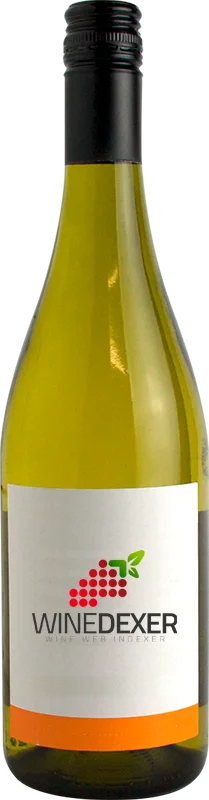
Winery Tierras AltasSauvignon Blanc
 White wine


In the mouth this white wine is a with a nice freshness.
This wine generally goes well with vegetarian, shellfish or goat cheese.
Taste structure of the Sauvignon Blanc from the Winery Tierras Altas
Light | Bold | |
Dry | Sweet | |
Soft | Acidic |
In the mouth the Sauvignon Blanc of Winery Tierras Altas in the region of Mendoza is a with a nice freshness.
Food and wine pairings with Sauvignon Blanc
Pairings that work perfectly with Sauvignon Blanc



Original food and wine pairings with Sauvignon Blanc
The Sauvignon Blanc of Winery Tierras Altas matches generally quite well with dishes of shellfish, vegetarian or goat cheese such as recipes of chicken chop suey, quiche with bacon and gruyère cheese or tuna burgers.
Details and technical informations about Winery Tierras Altas's Sauvignon Blanc.
Discover the grape variety: Camaraou
It has been cultivated for a long time in Bearn and in the Jurançonnais. Today, it is very little multiplied and therefore in danger of disappearing. Published genetic analyses have made it possible to discover that it is related to one or more grape varieties, including Savagnin. For more information, click here!
Last vintages of this wine
The best vintages of Sauvignon Blanc from Winery Tierras Altas are 0, 2014
Informations about the Winery Tierras Altas
The Winery Tierras Altas is one of of the world's great estates. It offers 18 wines for sale in the of Mendoza to come and discover on site or to buy online.

The wine region of Mendoza
Mendoza is by far the largest wine region in Argentina. Located on a high-altitude plateau at the edge of the Andes Mountains, the province is responsible for roughly 70 percent of the country's annual wine production. The French Grape variety Malbec has its New World home in the vineyards of Mendoza, producing red wines of great concentration and intensity. The province Lies on the western edge of Argentina, across the Andes Mountains from Chile.
The word of the wine: Delicate
Said of a wine that is fine and subtle in the mouth.