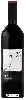
Winery Tierra AntiguaSarmiento Rioja Tempranillo
 Red wine


This wine generally goes well with pork, beef or game (deer, venison).

Wine flavors and olphactive analysis

Food and wine pairings with Sarmiento Rioja Tempranillo
Pairings that work perfectly with Sarmiento Rioja Tempranillo



Original food and wine pairings with Sarmiento Rioja Tempranillo


The Sarmiento Rioja Tempranillo of Winery Tierra Antigua matches generally quite well with dishes of beef, lamb or pork such as recipes of beef coarse salt, saddle of lamb with herbs or potjevleesch.
Details and technical informations about Winery Tierra Antigua's Sarmiento Rioja Tempranillo.
Discover the grape variety: Tempranillo
Elegant, structured reds with aromas of strawberry, cherry, plum, leather, blond tobacco and pronounced vanilla from long oak ageing. Ranges from Joven to Crianza, Reserva and Gran Reserva. Star of Rioja DOCa, Ribera del Duero DO and Toro DO, also shines in the Douro as Tinta Roriz/Aragonez. One of the world's most planted Spanish varieties.
Last vintages of this wine
The best vintages of Sarmiento Rioja Tempranillo from Winery Tierra Antigua are 2008, 0
Informations about the Winery Tierra Antigua
The Winery Tierra Antigua is one of of the world's greatest estates. It offers 2 wines for sale in the of San José to come and discover on site or to buy online.

The wine region of San José
Viticultural department of southern Uruguay facing the Rio de la Plata, temperate oceanic climate, clay-loam soils. Tannat red king (imported from SW France in 1870 by Basques): silkier and fruitier Uruguayan version than Madiran — blackberry, black cherry, plum, cocoa, herbs, smooth rounded tannins. Supple Merlot and firm Cabernet complementary. Taut saline Albariño and crisp Sauvignon Blanc in whites.
The word of the wine: Runoff
Failure of the vine flower to fertilize at the time of flowering, when the weather is too cold or rainy. Under these conditions, the vine will have few or no clusters.