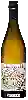
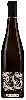
Winery Theo BasslerGrauburgunder Trocken Vom Löss
 White wine



In the mouth this white wine is a .
This wine generally goes well with pork, cured meat or mushrooms.

Taste structure of the Grauburgunder Trocken Vom Löss from the Winery Theo Bassler
Light | Bold | |
Dry | Sweet | |
Soft | Acidic |
In the mouth the Grauburgunder Trocken Vom Löss of Winery Theo Bassler in the region of Pfalz is a .
Food and wine pairings with Grauburgunder Trocken Vom Löss
Pairings that work perfectly with Grauburgunder Trocken Vom Löss



Original food and wine pairings with Grauburgunder Trocken Vom Löss

The Grauburgunder Trocken Vom Löss of Winery Theo Bassler matches generally quite well with dishes of pork, spicy food or mushrooms such as recipes of wild boar bourguignon, coconut chicken and curry or autumn beef bourguignon.
Details and technical informations about Winery Theo Bassler's Grauburgunder Trocken Vom Löss.
Discover the grape variety: Muscat de Hambourg
Aromatic sweet to luscious reds with a garnet ruby colour, an enveloping palate with moderate acidity, and intense muscat signature aromas (rose, fresh grape), candied red fruits and honey. Also a highly prized table grape for its appearance and muscat flavour. Grown in the Mediterranean, Central Asia and California, producing original sweet wines. Aromatic black grape obtained in 1837 in England (Muscat of Alexandria × Schiava grossa).
Last vintages of this wine
The best vintages of Grauburgunder Trocken Vom Löss from Winery Theo Bassler are 2019, 2018, 0, 2017 and 2014.
Informations about the Winery Theo Bassler
The Winery Theo Bassler is one of of the world's greatest estates. It offers 8 wines for sale in the of Pfalz to come and discover on site or to buy online.

The wine region of Pfalz
Fleshy, dry, fruity Riesling is the region's signature: yellow peach, apricot, ripe citrus, lovely mineral tension. Germany's largest red-wine area (40%), with silky Spätburgunder showing red fruit and spice, darker structured Dornfelder, supple Portugieser. Some rounded Pinot Blanc and Pinot Gris. A 23,640 ha vineyard along the Haardt, among Germany's warmest (>2,000 h of sun).
The word of the wine: Malolactic fermentation
Called second fermentation or malo for short. It is the degradation (under the effect of bacteria) of the malic acid naturally present in the wine into milder, less aggressive lactic acid. Some producers or wineries refuse this operation by "blocking the malo" (by cold and adding SO2) to keep a maximum of acidity which carries the aromas and accentuates the sensation of freshness.