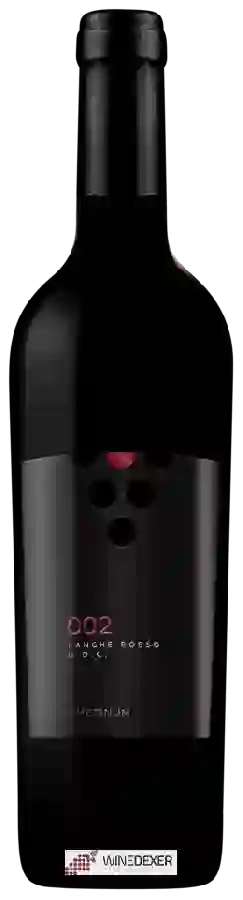
Winery The Vinum002 Langhe Rosso
 wine
wine
This wine generally goes well with
The 002 Langhe Rosso of the Winery The Vinum is in the top 0 of wines of Langhe.

Details and technical informations about Winery The Vinum's 002 Langhe Rosso.
Discover the grape variety: Dureza
Structured, colored reds with a dark ruby robe, firm tannins and a dense palate, with signature aromas of black fruits (blackberry, blackcurrant), spices, black pepper and herbal notes reminiscent of Syrah. Almost vanished from commercial cultivation, preserved for its exceptional genetic value. Grown in varietal collections and heritage plots in Ardèche. Indigenous French black variety from Ardèche, father of Syrah (mother = Mondeuse Blanche).
Last vintages of this wine


The best vintages of 002 Langhe Rosso from Winery The Vinum are 0
Informations about the Winery The Vinum
The Winery The Vinum is one of of the world's great estates. It offers 22 wines for sale in the of Langhe to come and discover on site or to buy online.

The wine region of Langhe
Italy's wine-and-food capital, UNESCO terroir of Piedmont. Heart of Nebbiolo: Barolo DOCG, "king of wines", and Barbaresco DOCG, age-worthy reds with firm tannins, vivid acidity and complex aromas of withered rose, morello cherry, tar, white truffle and undergrowth. More accessible Langhe DOC (Nebbiolo, crunchy Dolcetto, Freisa). Round almondy Arneis whites from Roero.
The wine region of Piedmont
Kingdom of Nebbiolo: Barolo and Barbaresco DOCG, long-ageing reds with firm tannins and lively acidity, complex aromas of withered rose, sour cherry, tar, truffle and undergrowth. More accessible, tangy Barbera on red fruit, supple, crisp Dolcetto. Sweet, floral sparkling Moscato d'Asti, mineral, lemony Gavi (Cortese) white, round, almondy Arneis from Roero. 50,000 ha across the Langhe, Roero and Monferrato, UNESCO.
The word of the wine: Late harvest
A name historically used in Alsace, late harvest refers to grapes harvested during over-ripening for the production of sweet and syrupy wines.