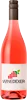
Winery Terrasses d'AutanFronton Rosé
 Pink wine


This wine generally goes well with

Details and technical informations about Winery Terrasses d'Autan's Fronton Rosé.
Discover the grape variety: Dakapo
Deeply coloured, supple reds with an intense, almost opaque purple colour, soft tannins and an ample palate, with signature aromas of black fruits (blackcurrant, blackberry), gentle spices and inky notes. Accessible teinturier profile. Used in blending to boost colour in light reds; grown on small areas in Germany, Switzerland and Belgium. German hybrid teinturier variety bred in 1958 (Deckrot × Portugieser).
Last vintages of this wine
The best vintages of Fronton Rosé from Winery Terrasses d'Autan are 2018
Informations about the Winery Terrasses d'Autan
The Winery Terrasses d'Autan is one of of the world's great estates. It offers 19 wines for sale in the of Fronton to come and discover on site or to buy online.

The wine region of Fronton
South-West AOC north of Toulouse around its fetish grape: signature Negrette as king red (50-70%) — deep robe with signature notes of violet, peony, blackcurrant, blackberry, raspberry, liquorice, sweet spices and a peppery touch, supple tannins and elegant freshness, moreishness and persistent floral finish. Syrah, Cabernets, Cot, Gamay as backup. Fresh, aromatic rosés equally emblematic. AOC (1975), ~2,000 ha on gravelly terraces, temperate climate.
The wine region of South West
French mosaic of strong identities south of Bordeaux. Cahors and its Malbec ("black wine"): deep reds with notes of blackberry, plum, violet, tobacco and cocoa, firm tannins. Madiran and its dense, age-worthy Tannat. Jurançon whites: golden sweet (apricot, honey, pineapple) and lively dry from Petit Manseng.
The word of the wine: Burgundy melon
A white grape variety from Burgundy that is not widely used in its native region, but has spread to the Nantes region. It is the exclusive variety of Muscadet. It gives a dry pale yellow wine, supple and lively, with an intense bouquet, to which maturing on lees gives fatness and aromatic complexity.