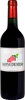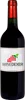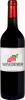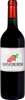
Winery TanyaTchelet Shiraz
 Red wine
In the mouth this red wine is a powerful with a lot of tannins present in the mouth.
This wine generally goes well with poultry, beef or game (deer, venison).

Taste structure of the Tchelet Shiraz from the Winery Tanya
Light | Bold | |
Smooth | Tannic | |
Dry | Sweet | |
Soft | Acidic |
In the mouth the Tchelet Shiraz of Winery Tanya in the region of Judean Hills is a powerful with a lot of tannins present in the mouth.
Food and wine pairings with Tchelet Shiraz
Pairings that work perfectly with Tchelet Shiraz



Original food and wine pairings with Tchelet Shiraz

The Tchelet Shiraz of Winery Tanya matches generally quite well with dishes of beef, lamb or game (deer, venison) such as recipes of beef with panang curry (red curry), lamb tagine with quince or medallions of monkfish with citrus fruits.
Details and technical informations about Winery Tanya's Tchelet Shiraz.
Discover the grape variety: Bia blanc
Simple, fresh dry whites with a pale golden robe, supple palate with moderate acidity, showing understated citrus and white flower aromas. Discreet rustic profile. Preserved in a few ampelographic collections for its heritage value, it belongs to the ancient varieties whose commercial spread has nearly vanished, studied for their genetic interest. Rare white variety, little documented, grown in confidential quantities.
Informations about the Winery Tanya
The Winery Tanya is one of of the world's great estates. It offers 37 wines for sale in the of Judean Hills to come and discover on site or to buy online.

The wine region of Judean Hills
Qualitative heart of Israeli wine around Jerusalem, the country's first official AO (2020). Dense, structured reds with signature notes of ripe blackcurrant, blackberry, mint, eucalyptus, Mediterranean herbs and spice, firm tannins and freshness tightened by altitude. Cabernet Sauvignon and Merlot in Bordeaux blends. Also peppery Syrah, dense Petit Verdot.
The word of the wine: Assemblage (Champagne)
In Champagne, it is the art of blending still wines from different grape varieties (pinot meunier, pinot noir, chardonnay), from different terroirs (villages, areas) and often from different years. The incorporation of older wines, called reserve wines, allows for greater aromatic complexity.