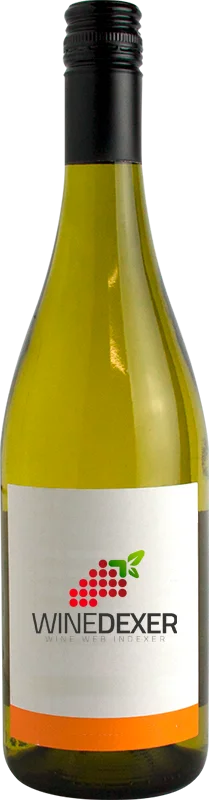
Winery SulikoKalauri White Medium Sweet
 White wine



This wine generally goes well with
Details and technical informations about Winery Suliko's Kalauri White Medium Sweet.
Discover the grape variety: Nuragus
A very old variety grown in Italy, where it still plays an important role, particularly in Sardinia. - Synonyms: meragus, abbondosa, bruscu biancu, axina, garnaccia, granazza, burdu, malvasia di tura (for all the synonyms of the varieties). - Description: medium to large bunches, conical, voluminous, compact, short strong stems, often with a lignified part; medium-sized, spherical or slightly elongated berries, greenish-yellow to golden-yellow skin, sometimes amber with a pink tinge when fully ripe, soft pulp with a simple taste. - Production potential: late budding. Quite vigorous and very productive, suitable for almost all types of soil. Hardy, it resists well to the various cryptogamic diseases. Maturity: 3rd period average. - Wine type/Aromas: gives a heady wine of yellow straw color with sometimes golden reflections, provided in the majority of the cases with a good acidity.
Last vintages of this wine
The best vintages of Kalauri White Medium Sweet from Winery Suliko are 0
Informations about the Winery Suliko
The Winery Suliko is one of of the world's greatest estates. It offers 12 wines for sale in the of Kakheti to come and discover on site or to buy online.

The wine region of Kakheti
Kakheti is the most important wine region in Georgia in quantitative, qualitative and even historic terms. Almost three-quarters of the country's wine Grapes are grown here, on land that has been used for viticulture for thousands of years. Kakheti is home to some of the oldest human habitations in the entire Caucasus region, and archaeological findings have suggested that wine has been produced here for several thousand years. The region's strong relationship with wine and Vine was captured in Georgia's famous hymn 'Thou Art a Vineyard', written in the 12th Century by King Demetrius I.
The word of the wine: Wiring
Action of periodically filling barrels containing wine, in order to offset evaporation and maintain a maximum level. The topping up allows to avoid the phenomenon of oxidation.