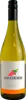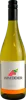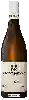
Winery Star of AfricaReserve Chardonnay
 White wine
In the mouth this white wine is a powerful with a nice freshness.
This wine generally goes well with pork, vegetarian or poultry.

Taste structure of the Reserve Chardonnay from the Winery Star of Africa
Light | Bold | |
Dry | Sweet | |
Soft | Acidic |
In the mouth the Reserve Chardonnay of Winery Star of Africa in the region of Western Cape is a powerful with a nice freshness.
Food and wine pairings with Reserve Chardonnay
Pairings that work perfectly with Reserve Chardonnay



Original food and wine pairings with Reserve Chardonnay

The Reserve Chardonnay of Winery Star of Africa matches generally quite well with dishes of pork, rich fish (salmon, tuna etc) or vegetarian such as recipes of cajun jumbalaya rice, smoked salmon pasta gratin or quiche without pastry.
Details and technical informations about Winery Star of Africa's Reserve Chardonnay.
Discover the grape variety: Chardonnay
Whites with many faces: mineral and taut at Chablis (lemon, green apple, flint), opulent and buttery at Meursault and Puligny-Montrachet (hazelnut, brioche, yellow fruits), tense and chalky in Champagne (Blanc de Blancs). Also vinified sparkling and widely exported (Sonoma, Margaret River, Casablanca). A Burgundian variety, a cross of Pinot Noir × Gouais Blanc, half-sibling of Aligoté.
Informations about the Winery Star of Africa
The Winery Star of Africa is one of of the world's greatest estates. It offers 6 wines for sale in the of Western Cape to come and discover on site or to buy online.

The wine region of Western Cape
Cradle of South African wine. Signature Chenin Blanc (Steen, 20%) in ample, fresh whites with notes of quince, yellow apple, honey and acacia flower, from crisp dry to sweet. Sharp, iodised Sauvignon Blanc (Walker Bay, Constantia), balanced Chardonnay. Reds: emblematic Pinotage with roasted aromas (coffee, plum, smoke), firm Cabernet Sauvignon, spicy Syrah.
The word of the wine: Overmaturation
When the grapes reach maturity, the skin becomes permeable and progressively loses water, which causes a concentration phenomenon inside the berry. This is called over-ripening or passerillage.