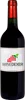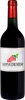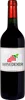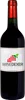
Winery St LeonardsShiraz
 Red wine



In the mouth this red wine is a powerful with a lot of tannins present in the mouth.
This wine generally goes well with poultry, beef or game (deer, venison).

Taste structure of the Shiraz from the Winery St Leonards
Light | Bold | |
Smooth | Tannic | |
Dry | Sweet | |
Soft | Acidic |
In the mouth the Shiraz of Winery St Leonards in the region of Victoria is a powerful with a lot of tannins present in the mouth.
Food and wine pairings with Shiraz
Pairings that work perfectly with Shiraz



Original food and wine pairings with Shiraz

The Shiraz of Winery St Leonards matches generally quite well with dishes of beef, lamb or game (deer, venison) such as recipes of beef bourguignon with cookéo, lamb biryani or cassoulet with duck confit.
Details and technical informations about Winery St Leonards's Shiraz.
Discover the grape variety: Lameiro
Lively, fruity whites to drink young with a pale golden robe, an airy, low-alcohol palate with marked acidity, and signature aromas of citrus (lemon), green apple, white flowers and fresh herbal notes. A nervy, thirst-quenching profile. Very little-known, used locally in traditional Vinho Verde DOC blends, preserved for its patrimonial interest. A Portuguese white grape grown in the Monção sub-region of northern Minho.
Last vintages of this wine
The best vintages of Shiraz from Winery St Leonards are 0
Informations about the Winery St Leonards
The Winery St Leonards is one of of the world's greatest estates. It offers 16 wines for sale in the of Victoria to come and discover on site or to buy online.

The wine region of Victoria
Australian diversity from cool to temperate climate. Yarra Valley and Mornington: fine, silky Pinot Noir (cherry, raspberry, undergrowth), taut, mineral Chardonnay. Heathcote: structured Shiraz with black fruits, pepper and chocolate. Rutherglen, fortified capital: opulent sweet Topaque and Muscat (raisin, caramel, fig, roast notes).
The word of the wine: Thinning
Also known as green harvesting, the practice of removing excess bunches of grapes from certain vines, usually in July, but sometimes later. This is often necessary, but not always a good thing, as the remaining bunches often gain weight.