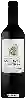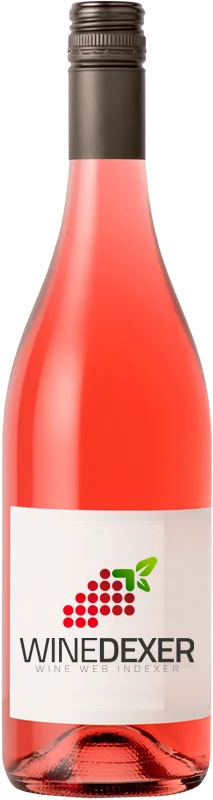
Winery Soul GrowersSoul Sister Rosé
 Pink wine



This wine generally goes well with
Wine flavors and olphactive analysis

On the nose the Soul Sister Rosé of Winery Soul Growers in the region of Australie du Sud often reveals types of flavors of microbio, red fruit.
Details and technical informations about Winery Soul Growers's Soul Sister Rosé.
Discover the grape variety: Couderc 13
A direct producer hybrid obtained by Georges Couderc by crossing Vitis Lincecumii (Buckley) with 162-5 Couderc, the latter having 3/4 blood of Vinifera-Rupestris. Today, like most hybrids, it has practically disappeared. It can still be found in a mixture in very old vineyards, the photographs below were taken in the Ardèche, on the border with the Gard, north of Saint Ambroix.
Last vintages of this wine
The best vintages of Soul Sister Rosé from Winery Soul Growers are 0
Informations about the Winery Soul Growers
The Winery Soul Growers is one of of the world's great estates. It offers 30 wines for sale in the of Barossa Valley to come and discover on site or to buy online.

The wine region of Barossa Valley
The wine region of Barossa Valley is located in the region of Barossa of Australie du Sud of Australia. We currently count 613 estates and châteaux in the of Barossa Valley, producing 2290 different wines in conventional, organic and biodynamic agriculture. The wines of Barossa Valley go well with generally quite well with dishes .
The wine region of Australie du Sud
SouthAustralia is one of Australia's six states, located (as the name suggests) in the south of the vast island continent. It's the engine room of the Australian wine industry, responsible for about half of the country's total production each year. But there's more to the region than quantity - countless high-quality wines are produced here, most from the region's signature Grape, Shiraz. These include such fine, collectible wines as Penfolds Grange, Henschke Hill of Grace, Torbreck The Laird and d'Arenberg The Dead Arm.
The word of the wine: Maturing (champagne)
After riddling, the bottles are stored on "point", upside down, with the neck of one bottle in the bottom of the other. The duration of this maturation is very important: in contact with the dead yeasts, the wine takes on subtle aromas and gains in roundness and fatness. A brut without year must remain at least 15 months in the cellar after bottling, a vintage 36 months.